

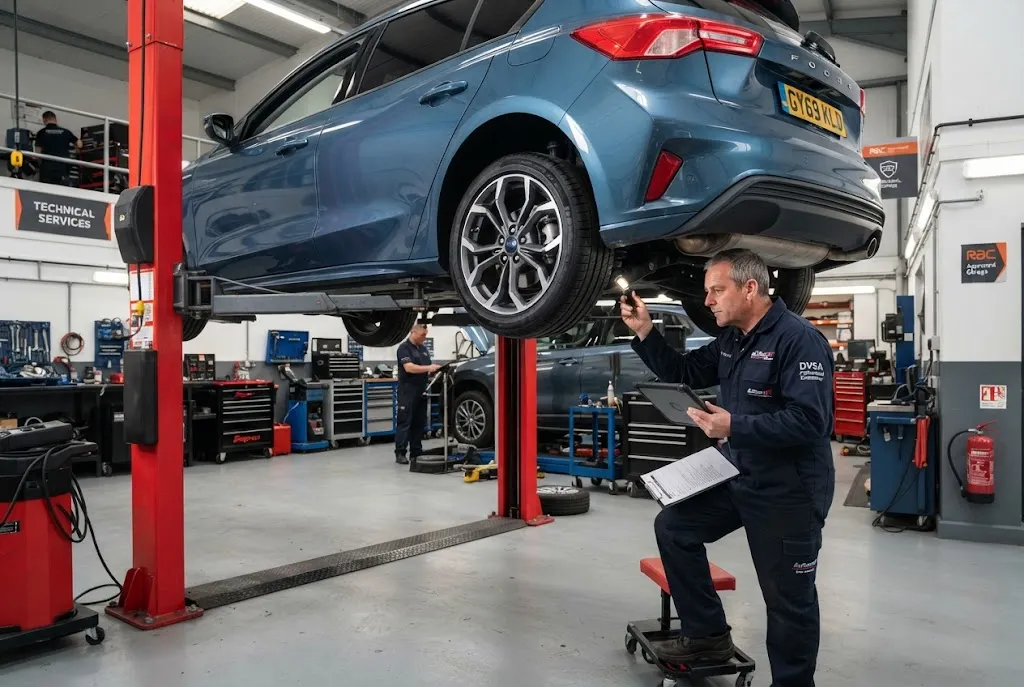
Buying a used vehicle involves more than checking its appearance and taking it for a short drive. A professional vehicle inspection can help you understand the mechanical and physical condition of a car before committing to a purchase. This can be particularly useful when a vehicle looks good cosmetically but may have faults that are difficult to identify during a basic viewing.
From a pre-purchase inspection to checking service history and obtaining a vehicle history report, several checks can help build a clearer picture of a used car. Independent inspection services, including those associated with organisations such as the AA and RAC, can provide different levels of assessment depending on the vehicle and service selected.
This guide explains what a vehicle inspection can cover, how independent checks work, what to look for in an inspection report and why combining physical checks with vehicle history information can make the used-car buying process more informed.
What Is a Vehicle Inspection?
A vehicle inspection is an assessment of a car’s condition carried out using a defined set of checks. The scope varies between providers, but an inspection may examine areas such as the exterior, interior, tyres, wheels, brakes, engine compartment and other accessible mechanical components.
The purpose is not necessarily to guarantee that a vehicle will remain trouble-free. Instead, an inspection can identify visible or detectable issues at the time of assessment and give a prospective buyer more information before purchasing.
This distinction is important. A used car can pass an inspection and still develop a fault later. Likewise, an inspection cannot necessarily identify every hidden or intermittent problem without specialist diagnostic testing or dismantling components.
Why Consider a Pre-Purchase Inspection?
A pre-purchase inspection is particularly useful when you are considering a used car and want an independent assessment before making a financial commitment.
A seller may provide a detailed description of the vehicle, but an independent inspection gives you another source of information. This can be especially valuable when buying privately, purchasing an older vehicle or considering a car with unusually low mileage or an unclear maintenance record.
An inspection can potentially identify issues such as worn tyres, damaged bodywork, fluid leaks, brake concerns, suspension problems or signs of previous repairs. The findings can then help you decide whether to proceed, negotiate the price or walk away.
For a more complete assessment, the physical inspection should be combined with a review of the vehicle’s documentation and history.
AA Car Inspection Services
The AA offers vehicle inspection services for buyers looking for an independent assessment of a used car. The precise inspection scope depends on the service selected, so buyers should review the current details directly with the provider before booking.
An AA inspection can be useful when you are unable to inspect the vehicle yourself or want an independent professional to assess it before purchase. Depending on the service, inspection findings can provide information about the vehicle’s observed condition and potential areas requiring attention.
However, buyers should remember that an inspection is only one part of the due-diligence process. It should not replace checks of the vehicle’s history, registration information, documentation and service records.
RAC Inspection Services
The RAC also provides vehicle inspection options designed to help motorists assess used cars. As with any inspection provider, the precise checks, limitations and report format can vary between services.
When comparing an RAC inspection with another provider, look carefully at what is included rather than choosing solely based on the brand name. Consider the number and type of checks, whether the inspection is carried out at the seller’s location, what the resulting report contains and whether additional diagnostic services are available.
The most useful inspection is one that matches the risk involved in the purchase. A relatively new vehicle with comprehensive records may require a different level of investigation from an older high-mileage car with limited documentation.
What Does a Used Car Inspection Usually Check?
The exact inspection checklist differs by provider, but a comprehensive assessment may consider several broad areas.
Exterior Condition
The inspector may examine the bodywork for dents, scratches, corrosion, paint inconsistencies and other visible defects. Uneven paint or differences between panels can sometimes indicate previous body repairs, although further investigation may be needed to establish the reason.
Tyres and Wheels
Tyre condition can provide useful information about both safety and maintenance. Inspectors may look at tread, visible damage and signs of uneven wear. If tyres require attention after purchase, you can compare the expected cost using professional tyre services.
Engine and Mechanical Areas
Depending on the inspection scope, accessible engine-bay components, fluid levels and visible signs of leakage may be assessed. The inspector may also listen for unusual noises or identify obvious mechanical concerns.
Brakes and Suspension
Brakes, suspension components and steering-related areas can be important indicators of a vehicle’s condition. Problems in these systems may affect safety and can also lead to significant repair costs.
Interior and Equipment
The interior may be checked for signs of excessive wear, damage and the operation of selected equipment. Items such as windows, locks, lights, controls and other electrical features may be assessed depending on the inspection package.
Service History: Why It Matters
Service history can provide valuable context alongside an inspection. A vehicle with evidence of regular maintenance may give a buyer more confidence about how it has been cared for, although a service history cannot guarantee that the car is free from faults.
Look for records that show when servicing took place, what work was completed and whether major maintenance items were addressed when required. Depending on the vehicle, this could include information about oil changes, filters, brakes, timing-belt work or other scheduled maintenance.
Do not assume that a stamped service book tells the entire story. Digital service records, invoices and receipts can also help establish what work has actually been carried out.
Vehicle History Check vs Vehicle Inspection
A vehicle history check and a physical inspection serve different purposes. A history check can provide information associated with a vehicle’s recorded history, while an inspection assesses its physical condition at a particular point in time.
A history check may help identify issues such as outstanding finance, recorded theft, insurance-related history or discrepancies involving mileage, depending on the provider and data available. It is therefore an important part of used-car due diligence.
However, a history check cannot tell you everything about a vehicle’s current mechanical condition. A car can have a clear history report and still have worn brakes, damaged suspension or an engine problem.
Likewise, an inspection cannot necessarily reveal every historical event recorded against a vehicle. Using both types of checks creates a more complete picture.
How to Read Inspection Reports
Inspection reports can contain a substantial amount of information, so it is important to understand how the findings affect your decision.
Start by separating safety-critical or urgent concerns from cosmetic observations. A minor scratch and a braking-system concern should not be treated as equivalent findings.
Next, consider whether the inspector has recommended monitoring, repair or immediate attention. Where a report uses specific terminology that you do not understand, ask the inspection provider or a qualified mechanic to explain the finding.
You should also consider the likely cost of addressing significant faults. A car that appears inexpensive may become considerably less attractive if several expensive repairs are needed soon after purchase.
Questions to Ask About a Report
- Which findings require immediate attention?
- Which issues are cosmetic rather than mechanical?
- Are there signs of previous accident or body repairs?
- Are tyre, brake or suspension components showing significant wear?
- Were any areas inaccessible during the inspection?
- Does the report identify items that need specialist diagnostics?
- Are there recommendations for further investigation?
What an Inspection Cannot Tell You
Even a detailed inspection has limitations. An inspector generally assesses the vehicle under the conditions available at the time and may not dismantle components or reproduce every possible driving situation.
Intermittent electrical faults, concealed accident damage, internal engine problems and faults that only appear under particular conditions may require additional investigation.
This is why buyers should avoid treating an inspection report as a guarantee. Instead, use it as one piece of evidence when assessing whether the vehicle is suitable.
What to Do If an Inspection Finds Problems
Finding problems does not automatically mean you must reject the vehicle. The appropriate response depends on the seriousness, repair cost and overall condition of the car.
For minor issues, you may be able to negotiate the purchase price or ask the seller to address the problem before completing the transaction.
For major mechanical, structural or safety concerns, however, it may be more sensible to walk away. If the vehicle has a long list of significant defects, calculate the likely repair costs rather than focusing only on the advertised purchase price.
If the cost of keeping your current vehicle running is also becoming difficult to manage, our guide to repair finance explains how eligible motorists may approach unexpected repair expenses and payment plans.
Vehicle Inspection Checklist Before Buying
Before purchasing a used vehicle, consider completing the following checks:
- Arrange an independent inspection where appropriate.
- Review the available service history.
- Carry out a vehicle history check.
- Confirm the vehicle identification details match the documentation.
- Check the MOT history using the relevant official service.
- Inspect tyres, lights, glass and bodywork.
- Take a suitable test drive.
- Check warning lights before and during the drive.
- Ask about previous repairs and maintenance.
- Compare the inspection findings with the asking price.
The official GOV.UK service can be used to check a vehicle’s MOT history in Great Britain. This can complement, but not replace, an independent physical inspection.
How Vehicle Inspection Fits Into the Car-Buying Process
A vehicle inspection is most useful when it forms part of a wider buying process rather than being treated as a standalone approval.
Start by researching the vehicle and its typical market price. Then check its history and documentation before arranging an inspection. If the results are satisfactory, complete a proper test drive and consider the expected ownership costs.
Those ownership costs can include insurance, servicing, tyres, repairs, fuel or charging and finance payments. If you are considering borrowing to purchase the vehicle, our guide to car finance options covers used car finance, vehicle finance, dealership finance and monthly repayments.
Final Thoughts on Vehicle Inspection
A professional vehicle inspection can be a valuable part of buying a used car, particularly when you want independent information about its current condition. AA and RAC inspection services are among the options available to UK motorists, but buyers should compare the actual inspection scope and report details rather than relying on the provider’s name alone.
The strongest approach combines a physical inspection with service history, a vehicle history check, documentation checks and a sensible test drive. No single check can reveal everything, but together they can reduce uncertainty and help you make a better-informed purchasing decision.
Most importantly, treat significant inspection findings seriously. Understanding the cost and urgency of repairs before buying can help prevent an apparently attractive used-car deal from becoming an expensive ownership problem.
