

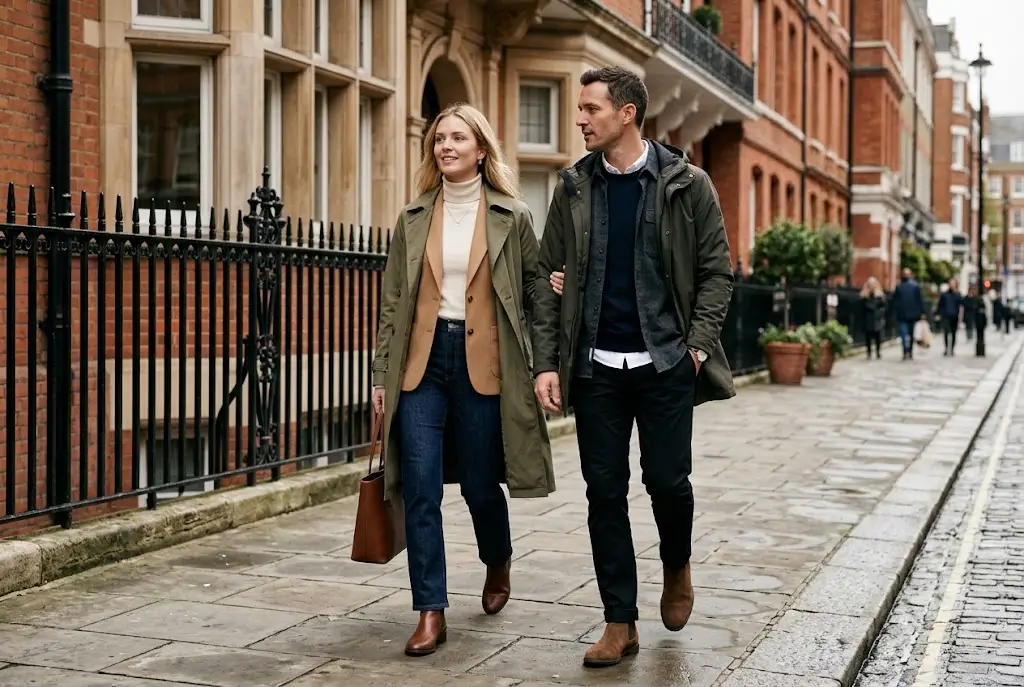
Layering is one of the easiest ways to make your wardrobe more practical and versatile, especially in the UK where temperatures can change throughout the day. The challenge is knowing how to layer clothes without looking bulky.
Good layering is not simply about putting more clothes on. It is about choosing compatible fabrics, managing proportions and creating a comfortable outfit that can be adjusted as the temperature changes.
Whether you are dressing for autumn, winter, spring or a cool summer evening, the right layering techniques can help you stay warm while keeping your outfit stylish.
What Is Layering?
Layering means wearing multiple clothing pieces together so that you can adjust your outfit according to temperature, activity and surroundings.
A basic layered outfit might include:
- A base layer
- A shirt or lightweight top
- A jumper, cardigan or knit
- A jacket or blazer
- An outer coat
You do not necessarily need all five layers. The idea is to combine the pieces you need for the conditions.
Why Layering Works So Well in the UK
UK weather can be unpredictable. You may leave home on a chilly morning, spend several hours indoors and then return home during a colder or wetter evening.
Layering gives you flexibility because you can remove a layer when you become warm and add one when temperatures fall.
It also gives you more ways to use the same clothes throughout different seasons, which makes it particularly useful when building a versatile wardrobe.
The Three Main Layers
A simple way to understand layering is to divide clothing into three main levels.
Base Layer
The base layer sits closest to your body. T-shirts, camisoles, lightweight tops and thin thermal layers can all serve this purpose.
Choose something comfortable that does not create unnecessary bulk underneath the other clothes.
Middle Layer
The middle layer provides additional warmth. Examples include shirts, cardigans, jumpers, fine knitwear and overshirts.
This is often the layer you remove first when you become too warm.
Outer Layer
The outer layer protects you from the surrounding conditions. Coats, jackets, trenches, parkas and weather-resistant outerwear can all serve this role.
For UK winter weather, your outer layer should be chosen according to wind, rain and temperature rather than appearance alone.
Start With Thin Layers
One of the simplest ways to avoid looking bulky is to start with thinner fabrics.
A lightweight T-shirt underneath a fine knit usually creates less bulk than combining several thick jumpers.
As a general principle, build thickness gradually rather than wearing several heavy layers at once.
Choose Fabrics Carefully
Fabric thickness has a major impact on how a layered outfit looks.
Lightweight cotton, fine merino-style knitwear, thin jersey and other relatively slim fabrics are often easier to layer than very thick materials.
Chunkier fabrics can still work, but you may need fewer layers around them.
Use Different Lengths
Layering can look more intentional when the lengths of the garments create some visual separation.
For example, a shirt can extend slightly below a jumper, while a jacket sits above the shirt without completely covering it.
With women’s outfits, a longer shirt, cardigan or coat can also create useful vertical lines.
You do not need dramatic differences in length. Small variations can be enough.
Pay Attention to Proportions
Proportion is one of the most important parts of successful layering.
If you wear an oversized jumper underneath an oversized jacket and combine both with extremely wide trousers, the entire outfit can become visually heavy.
Instead, consider balancing larger pieces with more streamlined ones.
For example:
- Oversized jumper + straight-leg jeans + structured coat
- Fitted top + wide-leg trousers + shorter jacket
- Fine knit + relaxed jeans + longer coat
- Shirt + tailored trousers + structured blazer
How to Layer With a T-Shirt
A T-shirt is one of the most useful base layers because it can work under almost anything.
Try wearing a T-shirt underneath:
- An overshirt
- A cardigan
- A blazer
- A lightweight jumper
- A denim jacket
- A casual coat
For a simple everyday look, combine a plain T-shirt with jeans, an overshirt and trainers.
You can make the same outfit smarter by replacing the overshirt with a blazer and choosing more polished footwear.
How to Layer a Shirt
A shirt can work as either a base layer or a visible middle layer.
For example, wear a shirt under a fine jumper and allow the collar and cuffs to remain visible.
Alternatively, wear the shirt open over a T-shirt as a lightweight jacket.
This makes one shirt useful for both smart and casual outfits.
How to Layer Knitwear
Knitwear is particularly useful during autumn and winter.
Fine knit jumpers are easier to layer underneath blazers and coats, while thicker knitwear often works better as the main middle layer underneath a roomier outer coat.
If your jumper is already substantial, avoid adding too many additional layers underneath it.
How to Layer With a Blazer
A blazer can sit comfortably between casual and formal clothing, making it a useful layering piece.
Try:
- T-shirt + blazer + coat
- Shirt + fine knit + blazer
- Top + cardigan + blazer
- Fine knit + blazer + winter coat
For more ideas, explore our guide on how to style a blazer for casual and smart outfits.
How to Layer With a Coat
Your coat should be large enough to accommodate the layers underneath without restricting movement.
Before buying a winter coat, try it over the type of jumper or blazer you normally wear.
If the coat is too fitted, the layers underneath may bunch up and create the bulky appearance you are trying to avoid.
For more guidance on selecting practical outerwear, see our guide on how to choose the right coat for UK weather.
How to Layer Jeans and Trousers
The bottom half of your outfit also affects how balanced your layers appear.
With several upper-body layers, straight-leg or relaxed trousers can often create a balanced silhouette.
Alternatively, if you are wearing an oversized jacket, more streamlined trousers can help keep the outfit visually controlled.
There is no universal rule. The important thing is to look at the outfit as a whole.
How to Layer Dresses
Dresses provide plenty of layering opportunities.
Try adding:
- A cardigan
- A blazer
- A denim jacket
- A lightweight jumper
- A long coat
- A scarf
A jumper worn over a simple dress can even make the dress appear like a skirt, creating a completely different outfit.
How to Layer Skirts
Skirts can work well with knitwear, shirts, blazers and coats.
During colder weather, combine a skirt with tights, boots, knitwear and a suitable coat.
For transitional weather, a skirt with a lightweight top, cardigan and trench coat can provide a comfortable combination.
How to Layer Without Adding Too Much Bulk
If your outfit feels bulky, look at the individual layers rather than immediately removing everything.
Try these adjustments:
- Replace a thick jumper with fine knitwear.
- Use a thinner base layer.
- Choose a roomier coat.
- Remove an unnecessary middle layer.
- Choose streamlined trousers.
- Avoid combining several oversized pieces.
Sometimes changing just one layer makes the entire outfit more comfortable.
How to Use Colour When Layering
Layering creates several opportunities to introduce colour, but too many competing colours can make an outfit feel busy.
A simple approach is to build around two or three main colours.
For example:
- Navy + white + beige
- Black + grey + cream
- Brown + cream + denim
- Olive + navy + white
You can then introduce a stronger colour through an accessory or one visible layer.
How to Layer Neutral Colours
Neutral colours are particularly easy to layer because they naturally work together.
Black, white, grey, navy, beige, cream, brown and olive can create a flexible foundation.
Using different shades of the same colour can also create depth without making the outfit look complicated.
How to Layer for Autumn
Autumn is one of the best seasons for layering because temperatures can change throughout the day.
Try:
- T-shirt + overshirt + jeans
- Shirt + fine knit + trousers
- Fine jumper + blazer + coat
- Dress + cardigan + boots
As temperatures fall, you can replace lightweight layers with thicker knitwear and warmer outerwear.
How to Layer for Winter
Winter layering should prioritise warmth without creating unnecessary weight.
A practical combination might include:
- Lightweight base layer
- Fine or medium-weight knitwear
- Blazer or overshirt where appropriate
- Warm coat
- Scarf and suitable accessories
You do not always need several thick layers. A good coat can provide much of the warmth while thinner layers underneath help regulate your comfort.
How to Layer for Spring
Spring usually calls for lighter layers.
Try:
- T-shirt + lightweight jacket
- Shirt + cardigan
- Fine knit + trench coat
- Dress + lightweight jacket
Because temperatures can rise during the day, choose pieces that are easy to remove or carry.
How to Layer for Summer
Even summer in the UK can bring cooler mornings and evenings.
A lightweight overshirt, cardigan, thin jacket or relaxed blazer can provide an additional layer without making the outfit feel winter-like.
Breathable fabrics are particularly useful during warmer weather.
How to Layer for a Smart-Casual Outfit
Layering can make smart-casual outfits more interesting without making them overly formal.
For example:
- Plain T-shirt + blazer + tailored trousers
- Fine knit + blazer + jeans
- Shirt + lightweight jumper + chinos
- Blouse + cardigan + tailored trousers
The trick is to mix different levels of formality while keeping the colours and proportions coordinated.
How to Layer for Work
For workwear, choose layers that can adapt to indoor temperatures.
A shirt under a fine jumper with a blazer or structured coat can create a polished outfit while giving you the option to remove a layer indoors.
If your workplace is more relaxed, a simple T-shirt, blazer and tailored trousers can provide a smart-casual alternative.
How to Layer for Casual Weekends
Weekend layering can be much more relaxed.
Try a T-shirt, overshirt, jeans and trainers for a simple everyday combination.
In colder weather, add a knit or coat depending on the conditions.
The objective is practical comfort rather than creating a highly structured outfit.
Accessories That Help With Layering
Accessories can add warmth and visual interest without requiring another major clothing layer.
Useful options include:
- Scarves
- Beanies
- Gloves
- Belts
- Watches
- Simple jewellery
A scarf can be particularly useful because it adds warmth while remaining easy to remove.
How to Avoid Looking Messy When Layering
Layering should look intentional rather than accidental.
Keep an eye on:
- Visible collars
- Cuffs
- Hem lengths
- Fabric thickness
- Colour combinations
- Overall proportions
If every layer is fighting for attention, simplify the outfit.
Common Layering Mistakes
Wearing Too Many Thick Layers
Several heavy fabrics can quickly create unnecessary bulk. Use thinner layers whenever possible.
Ignoring the Coat Fit
A coat that is too tight over your winter clothes will make movement uncomfortable and create unwanted bunching.
Using Too Many Colours
Several strong colours can make an outfit look unnecessarily busy. Start with a simple palette.
Combining Too Many Oversized Pieces
Oversized clothing can work well, but using it throughout the entire outfit can make the silhouette difficult to define.
Layering Without Considering the Weather
The number and type of layers should reflect the actual temperature and conditions.
Simple Layering Formulas
- Everyday: T-shirt + overshirt + jeans + trainers.
- Smart casual: T-shirt + blazer + tailored trousers + trainers.
- Office: Shirt + fine knit + tailored trousers + structured coat.
- Autumn: T-shirt + knit + jacket + jeans + boots.
- Winter: Base layer + knitwear + warm coat + boots.
- Spring: T-shirt + lightweight jacket + trousers + trainers.
Frequently Asked Questions
How many layers should you wear?
There is no fixed number. Wear enough layers to remain comfortable in the conditions while avoiding unnecessary bulk.
How do you layer clothes without looking bulky?
Use thinner fabrics, choose compatible proportions and avoid combining too many oversized or heavy pieces.
Can you layer a blazer under a coat?
Yes. A blazer can work underneath a suitable coat, provided the outer layer has enough room to accommodate it comfortably.
Can you layer a jumper over a shirt?
Yes. A shirt under a fine or medium-weight jumper is a classic layering combination for autumn, winter and cooler spring days.
How do you layer clothes in winter?
Start with a comfortable base layer, add suitable knitwear and finish with a warm outer coat. Choose fabrics and proportions that allow movement.
Can you layer clothes in summer?
Yes. Lightweight shirts, cardigans, overshirts and thin jackets can provide useful layers for cooler mornings and evenings.
Final Thoughts
Learning how to layer clothes without looking bulky is mainly about balance. You do not need to wear more clothing than necessary. Instead, choose layers that work together in terms of thickness, colour, length and proportion.
Start with lightweight base layers, add one useful middle layer and finish with outerwear suited to the weather. As temperatures change, you can remove or add pieces without rebuilding your entire outfit.
When done well, layering makes your wardrobe more flexible, comfortable and practical throughout the UK’s changing seasons.
