

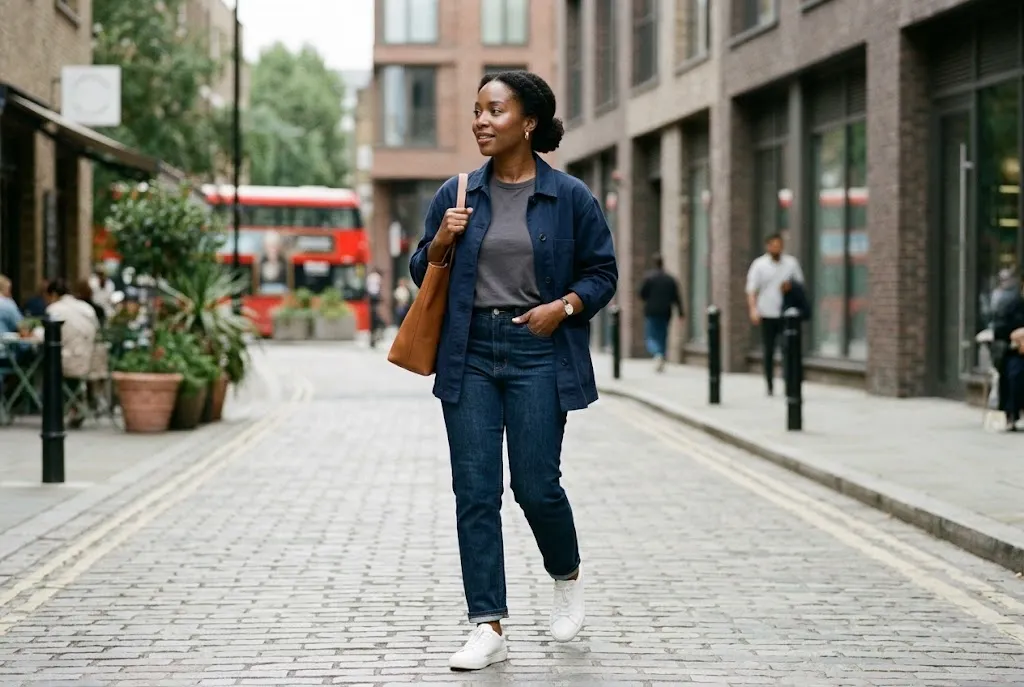
Learning how to build a stylish wardrobe on a budget is about making better choices with the money you have, rather than simply buying the cheapest clothes available.
Start by Understanding What You Already Own
Before spending anything, look through your existing wardrobe. You may already have more useful clothing than you realise.
Separate your clothes into pieces you wear regularly, items you occasionally use and things that no longer fit your lifestyle or preferences.
This simple review can reveal gaps in your wardrobe and prevent you from buying duplicates.
Build Your Wardrobe Around Versatile Basics
The easiest way to create more outfits for less money is to choose clothes that can be worn in several different combinations.
Useful basics can include:
- Plain T-shirts and tops
- Well-fitting jeans
- Simple trousers
- Versatile shirts
- Neutral knitwear
- A blazer or everyday jacket
- A practical coat
- Comfortable everyday footwear
These pieces can form the foundation of a capsule wardrobe, where a relatively small collection of compatible clothes can create plenty of outfits.
Prioritise Quality Where It Matters
Being on a budget does not mean every item has to be the cheapest option. Some frequently worn pieces are worth spending a little more on if they fit well and remain useful over time.
Think about the items you wear most often. A good pair of everyday shoes, a practical coat or well-fitting trousers may provide more value than several inexpensive pieces that rarely leave your wardrobe.
Choose Colours That Work Together
A coordinated colour palette can make a small wardrobe feel much larger.
Neutral colours such as navy, black, white, grey, cream, beige, brown and denim are particularly easy to combine.
You can then introduce a few accent colours that reflect your personality without making every purchase dependent on a specific outfit.
Our guide on how to mix colours in an outfit explains how to create balanced combinations using different shades and levels of contrast.
Think About Cost Per Wear
The price on the label does not tell you the whole story. An inexpensive item that you wear once may provide less value than a slightly more expensive piece that becomes part of your weekly wardrobe.
Before buying something, consider how often you are likely to wear it and how many different outfits you can create with it.
A simple question to ask is: Can I wear this in at least three different outfits?
If the answer is yes, the item may have more long-term value.
Shop for Gaps Instead of Shopping for Entertainment
One of the easiest ways to overspend is to buy clothes simply because something catches your attention.
Instead, identify genuine gaps in your wardrobe. Perhaps you need a versatile jacket, better everyday shoes or a pair of trousers that works with several tops.
Shopping with a specific purpose makes it easier to stay within your budget.
Make Basic Clothes Look More Stylish
Simple clothes can look considerably more polished when they fit properly and are styled thoughtfully.
Try combining a plain top with well-fitting jeans, clean footwear and a structured jacket. You can then change the accessories or outer layer to create a different look.
Our guide on how to create a stylish outfit covers practical ways to turn basic wardrobe pieces into complete looks.
Use Layers to Create More Outfits
Layering can make the same clothes useful in different seasons and settings. A T-shirt can be worn alone, under a shirt or beneath a jacket. A jumper can work with jeans, trousers or a skirt depending on the rest of the outfit.
Layering also gives you a way to change the appearance of familiar clothes without purchasing something new.
For more ideas, see our guide on how to layer clothes without looking bulky.
Use Accessories to Refresh Existing Outfits
Accessories can be a relatively simple way to introduce variety. A scarf, belt, bag, watch, jewellery or sunglasses can change the appearance of an outfit without requiring a completely new set of clothes.
Instead of buying several new outfits for different occasions, experiment with accessories you already own.
If you want to keep accessorising subtle and balanced, our guide on how to accessorise an outfit has more practical ideas.
Do Not Ignore Fit
Good fit can make budget clothing look much more polished. If a garment is too long, too loose or poorly proportioned, it may not look its best even if the design itself is attractive.
Pay attention to shoulder seams, sleeve length, trouser length and the way the garment sits when you move.
Small alterations can sometimes improve the appearance of a garment significantly, particularly when the rest of the piece already works well.
Learn Which Cuts Suit You
Once you know which clothing shapes you enjoy wearing, shopping becomes easier. You can concentrate on cuts that make you feel comfortable rather than buying something simply because it is currently fashionable.
Understanding your proportions can also help you make more confident choices. Our guide on how to dress for your body shape explores fit, proportions, lengths and clothing cuts without relying on rigid fashion rules.
Mix High-Street and Investment Pieces
Your entire wardrobe does not need to come from the same price range. Mixing affordable everyday pieces with a few carefully chosen higher-quality items can create a practical balance.
For example, you might spend more on a coat or footwear while choosing affordable basic T-shirts and seasonal tops.
The right balance depends on how frequently you wear each category and what matters most to you.
Take Advantage of Sales Carefully
Sales can be useful when you already know what you need, but discounts should not automatically turn into purchases.
A £20 item you never wear is still £20 spent unnecessarily.
Before buying a sale item, ask whether you would have wanted it at full price and whether it works with clothes you already own.
Consider Second-Hand Clothing
Second-hand shopping can provide another way to expand your wardrobe while keeping spending under control.
Pre-owned clothing can be particularly useful for finding coats, jackets, knitwear, bags and distinctive pieces that may be more expensive when purchased new.
Check the condition, measurements and fabric carefully before buying, and focus on pieces that genuinely fit your wardrobe.
Look After Your Clothes
One of the simplest ways to save money on fashion is to take care of the clothes you already own.
Follow care labels, wash garments appropriately, store knitwear carefully and repair minor problems where practical.
Keeping shoes clean and clothes free from excessive wear can also help everyday outfits look more polished.
Avoid Buying Clothes for One Occasion
If possible, choose clothing that can work for several situations rather than purchasing something solely for one event.
A simple blazer, for example, can work with jeans for a casual evening, tailored trousers for work or other smart-casual combinations.
This makes each purchase more useful and reduces the amount of clothing sitting unused in your wardrobe.
Build Your Wardrobe Gradually
You do not need to create your ideal wardrobe in one shopping trip. Building it gradually allows you to learn what you actually wear and where your money is best spent.
Start with the biggest gaps, add versatile pieces and review your wardrobe before making your next purchase.
Over time, this can result in a more coherent wardrobe without requiring a large one-off budget.
Develop Your Personal Style Without Overspending
Budget-conscious fashion does not mean giving up individuality. Your personal style can come from the colours, silhouettes, textures and accessories you repeatedly choose.
Understanding how to find your personal style can help you become more selective about what you buy and avoid spending money on trends that do not suit you.
Use Trends Selectively
You do not have to ignore trends completely. If there is a current style you genuinely like, consider adding one affordable piece rather than rebuilding your wardrobe around it.
Accessories, seasonal colours and smaller clothing pieces can be easier ways to experiment without committing a large part of your budget.
Final Thoughts
Learning how to build a stylish wardrobe on a budget is mainly about making intentional choices. Start with what you already own, identify genuine gaps and prioritise versatile clothing that works across multiple outfits.
Focus on fit, colour, quality and cost per wear rather than simply chasing low prices or current trends. With thoughtful shopping and creative styling, a modest clothing budget can still produce a wardrobe that feels polished, practical and personal.
