

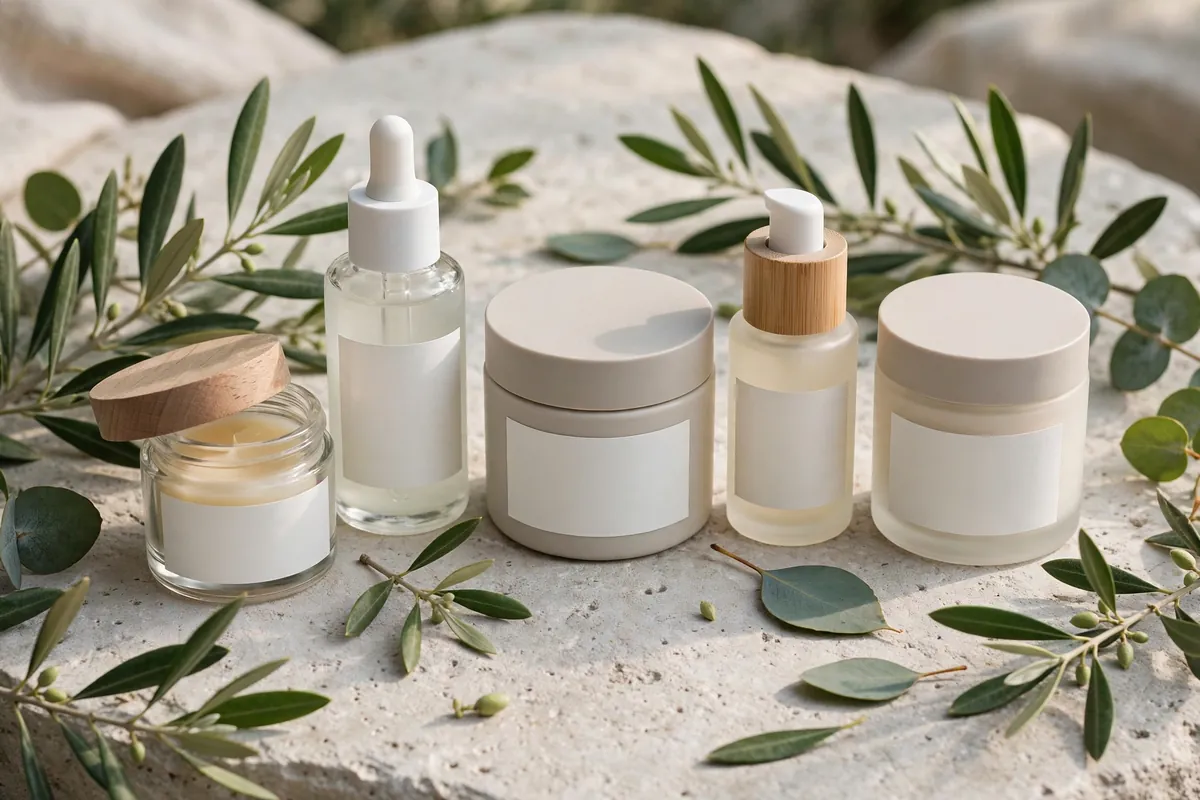
If you are looking for clean beauty in the UK, the choice can feel confusing at first. Shelves and websites use words such as natural, pure, non-toxic and eco-friendly. Often, they use them on the same product. It is not always clear what any of them really mean. This guide explains clean beauty in plain language. It looks at well-known brands available here. It also shows you how to choose products well. You can match your skin, your values and your budget. And you should not assume clean means safer for everyone. Nor should you assume it always works better.
For many shoppers, the appeal is simple. They want ingredient lists they can understand. They want brands that explain their choices clearly. And they want products they will enjoy using daily. Your interest may be skincare, make-up or body care. Either way, a calmer approach works best. An informed approach to natural beauty beats following launches. It usually leads to far better purchases.
What clean beauty actually means
Clean beauty is a shopping approach. It is not a single legal category. UK cosmetic products must meet UK cosmetics rules. But the word clean has no one legal definition. Every brand does not have to follow the same meaning. One brand may talk about ingredients it avoids. Another may focus on transparency. A third may link clean to packaging or sourcing.
That does not make the term useless. It makes it a starting point for questions. Ask what the brand means by clean. Ask which ingredients it highlights or avoids. Check whether it explains those choices in detail. A brand with clear, specific information is easier to trust. It beats one that relies on soft imagery. It also beats vague claims about purity.
What to look for when you shop clean beauty
Start with evidence you can check. Do not start with a front-of-pack slogan. These points will help you compare brands fairly:
- Ingredient transparency: look for a full ingredient list. Look for clear explanations of key ingredients. Check for honest information about fragrance or allergens.
- Cruelty-free status: check the brand’s statement on animal testing. Remember that cruelty-free and vegan differ. A vegan product avoids animal-derived ingredients. A cruelty-free claim is about testing.
- Certifications, described generally: some brands use third-party certification. It may cover cruelty-free, vegan, organic or natural standards. Check which standard a logo represents. Check what part of a range it covers.
- Packaging and waste: look for refill options. Look for recyclable packaging, where facilities exist. Choose sensible pack sizes you will finish.
- Suitability for you: a product must suit your skin. It must also suit your routine. Read the directions and any warnings. Patch test a new product first. This matters most if your skin is sensitive.
Ingredient-led shopping shows why this matters. Our Boots INKEY List guide shows a useful way to compare. UK shoppers can compare products by purpose. They need not buy an ingredient because it trends. Ethical claims matter to many shoppers too. Our guide to whether Beauty Pie is vegan and cruelty-free explains this well. You should check individual products. Do not rely on one label for a whole range.
Sustainable beauty brands and what sustainability really covers
Sustainable beauty brands look beyond the formula. Sustainable beauty can cover ingredient sourcing. It can cover how much packaging a product uses. It can cover refills and easier recycling. It can also cover how a brand handles waste. No single product does everything perfectly. So decide which issue matters most to you.
Buying less, but buying better, also helps. This is part of sustainable beauty too. Finish a product you like. Do not leave half-used bottles in a drawer. That is a practical step anyone can take. It also links to wider changes in shopping. Our round-up of how UK beauty trends are changing explores this. It looks at sustainability, value and personalised shopping.
Your search online will bring mixed results. You will meet large retailers and small makers. You will also meet a wide mix of phrases. These range from sustainable beauty brands to naturallythinking. They also include keia natural beauty. Treat unfamiliar names as a prompt. Check the basics first. Look for a clear ingredient list. Look for a UK contact or retailer. Look for honest claims. And look for reviews that sound like real use. Avoid any promise that one product suits everyone.
Well-known clean beauty brands available in the UK
These brands are widely available in the UK. People often discuss them in clean beauty conversations. This guide describes them in general terms only. Ranges, formulas and policies can change. So always check the product page or pack. Check it before you buy.
REN Clean Skincare
REN is a skincare brand. Its name links closely to cleaner ingredient choices. Its positioning also focuses on packaging sustainability. It is a useful starting point for many shoppers. You may want skincare that explains its approach clearly. Its range runs from cleansers to moisturisers. Still check each formula for your own skin.
Pai Skincare
Pai is a UK brand. Shoppers often choose it for sensitive-feeling skin. They like its calm, considered approach to natural beauty. Suitability is personal, as with any brand. Introduce one product at a time. Stop using it if it disagrees with your skin.
Evolve Organic Beauty
Evolve is known for organic and natural positioning. In general terms, it makes products in smaller batches. It makes them in England. It appeals to shoppers who like artisan-style production. It also gives clear information about ingredients. Its range covers skincare, body care and hair care.
Neal’s Yard Remedies
Neal’s Yard Remedies is a long-established British brand. People associate it with natural and organic beauty. It has a strong UK presence, in store and online. Its range is broad. So use the same label-reading habits here. Choose by product purpose, not brand reputation alone.
The Body Shop
The Body Shop is a familiar UK high-street name. It is known for body care and hand care. It also sells bath products, skincare and make-up. Many shoppers find it an accessible first step. It offers a more considered way to buy. You can see, smell and test many products. You can do that in store before you commit.
LUSH
LUSH is known for handmade cosmetics. It is also known for strong scents. It takes a clear stance on animal testing. It also reduces packaging on some products. Its solid and naked formats will not suit everyone. Fragrance is a personal choice too. But it shows how varied a routine can look. A clean beauty routine can take many forms in practice.
How to read labels and spot greenwashing
Greenwashing makes a product sound greener than it is. The marketing may suggest a stronger natural claim. But the information behind it may not support it. A green leaf tells you very little. An earthy colour palette tells you little too. The word natural on the front is not enough. It does not explain how a product was made. It does not list what is inside in full. It does not explain packaging disposal either.
Many readers only found clean beauty brands they could trust later. They stopped shopping by front-of-pack claims alone. They started reading the back label instead. Look for specifics. Look for a full ingredient list. Look for a clear statement on certification. Look for practical details about refills or recycling. Be cautious with absolute claims, such as chemical-free. All cosmetic ingredients are chemicals. That includes natural and synthetic ones. A balanced brand will explain trade-offs. It will not promise perfection.
Separate one hero ingredient from the whole formula. A plant extract may appear in large type. But many other ingredients matter just as much. They affect how the product feels and performs. The full list is a more reliable guide. So are the directions. And so is your own experience.
Building a simple clean beauty routine
A simple routine is easier to keep. It is cheaper to maintain. It is also kinder to your skin. It beats a shelf full of half-used products. Most people need only a gentle cleanser. They also need a moisturiser for their skin type. And they need daytime sun protection. In the evening, cleanse again and moisturise. Add a targeted product only for a clear reason. Dryness is one reason. Uneven-looking skin is another. Then give the product time to help.
Introduce new products one at a time. Space them a week or more apart, where you can. Then you will know what changed. If your skin reacts, you can spot the cause. If a product suits you, you will know that too. Keep a short note on your phone. Write what you started and when. It sounds basic, but it prevents a common mistake. That is the most common clean beauty mistake. People buy three new things at once. They dislike the result. And they have no idea which one caused it.
Choosing clean beauty on a budget in the UK
A higher price does not prove a product is cleaner. It does not prove it is safer either. And it does not prove it suits your skin better. A lower price does not prove the opposite. Compare cost per use instead. Compare pack size too. Think about how often you will reach for it. A daily moisturiser is better value when you enjoy it. A premium product can sit unused. You may dislike its texture or scent.
UK shoppers have a real advantage here. High-street chemists sell many of the same ranges. So do supermarkets and department stores. Brand websites sell them too. So you can compare sizes and offers first. Spend first on basics you use daily. Try smaller sizes or samples, where offered. Save experiments for one product at a time. That is sustainable beauty in its most practical form. It means less waste and fewer impulse buys. It means a routine built around your favourite products.
Final thoughts on choosing clean beauty brands
The best clean beauty brands are personal. Their claims are claims you can check. Their products suit your skin and budget. Their values match what you care about most. That may be cruelty-free status. It may be ingredient transparency. It may be lower-waste packaging. Or it may be a preference for natural beauty. There is no single perfect brand. And there is no need to replace everything at once.
Start with one swap when a product runs out. Read the label with fresh eyes. Then build from there. Used in that steady, informed way, clean beauty changes. It becomes less of a marketing slogan. It becomes what it should be. It helps UK shoppers buy beauty with confidence.
