

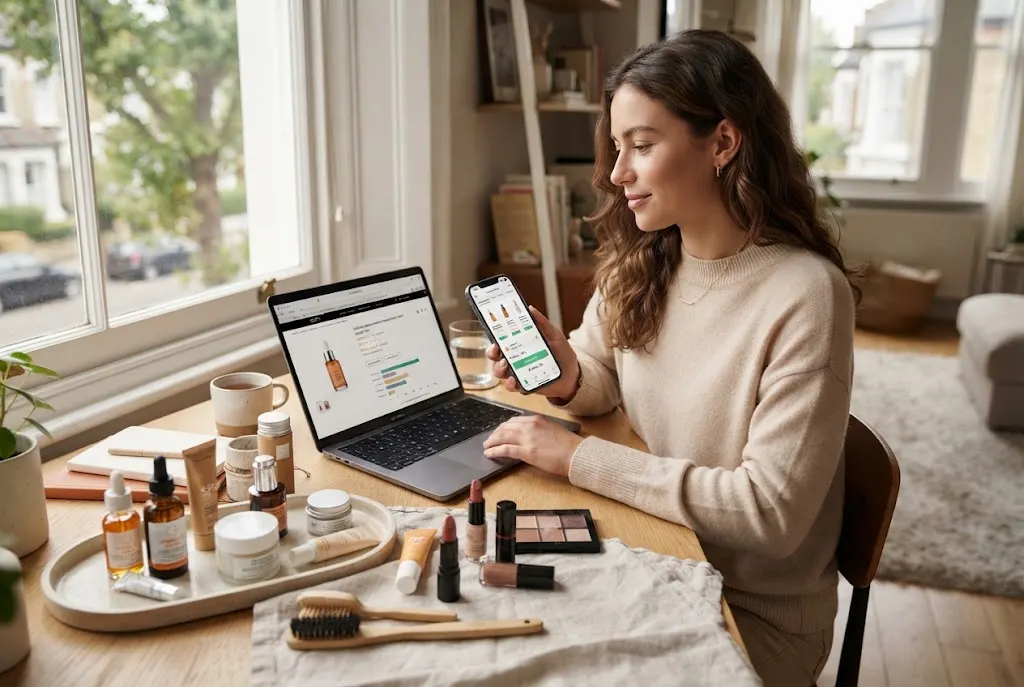
Beauty trends are changing more than the products people put in their baskets. Across the UK, consumers are becoming more selective about what they buy, where they discover it and which claims they trust. AI-powered recommendations, personalised routines, sustainability, competitive pricing, product reviews and social discovery are all influencing the modern beauty shopping journey.
The result is a beauty market where simply being fashionable is no longer enough. Shoppers increasingly want products that solve a specific need, offer convincing value and fit their personal preferences. For anyone exploring new beauty products, understanding these shifts can make it easier to separate genuine innovation from clever marketing.
Why Beauty Trends Are Becoming More Consumer-Led
Beauty shopping used to be strongly influenced by brand recognition, in-store recommendations and advertising. Those factors still matter, but consumers now have far more ways to investigate a product before spending money.
Online search, social platforms, retailer websites, creator content and customer reviews allow shoppers to compare several options within minutes. This has made the buying process more deliberate, particularly when products carry premium prices.
Recent UK research also suggests that consumers are paying closer attention to value. Mintel reports that 79% of beauty and grooming users have noticed products becoming more expensive, increasing scrutiny of product claims, effectiveness and value.
That creates an important change for beauty brands. A strong visual identity may attract attention, but the product still needs to justify its place in the shopper’s routine.
AI Is Becoming Part of Beauty Shopping
One of the most important beauty trends is the growing role of artificial intelligence in product discovery and decision-making. Instead of browsing dozens of product pages, shoppers can increasingly use AI tools to ask questions about ingredients, routines, skin concerns and product differences.
Boots’ 2026 Beauty & Wellness Trends Report says 64% of UK adults surveyed had used AI search tools to guide beauty purchases in the previous six months, while 82% were actively seeking personalised solutions.
This matters because beauty products can be difficult to compare. Two serums may appear similar on a retailer website but contain different active ingredients, textures or intended uses. AI tools can potentially help consumers organise this information and narrow down their choices.
However, shoppers should still treat AI recommendations as a starting point rather than unquestionable advice. Product descriptions, ingredient lists, usage instructions and reliable independent information remain important when deciding whether something is suitable.
The wider direction is clear: beauty discovery is becoming more conversational. Consumers are increasingly asking questions instead of simply entering product names into a search box.
Personalisation Will Shape Future Beauty Trends
Another major shift is the move away from one-size-fits-all beauty. Consumers increasingly expect products and routines to reflect their individual needs rather than broad demographic categories.
Personalisation can take several forms. It may involve skincare recommendations based on skin concerns, foundation matching based on complexion, customised routines or product suggestions based on previous purchases.
Retail technology is already moving in this direction. Boots, for example, has highlighted AI-guided beauty buying and personalised beauty services as part of its 2026 trends research.
For shoppers, the benefit is potentially greater relevance and less trial and error. Instead of purchasing several products because they are popular, consumers can focus on what their routine actually needs.
This also changes how beauty branding works. Brands that explain who a product is for, what it does and how it should be used can give consumers more confidence than brands relying mainly on aspirational imagery.
Sustainable Beauty Will Become More Practical
Sustainable beauty remains important, but the conversation is becoming more practical. Consumers are increasingly interested in packaging, ingredients, animal testing, product longevity and whether a purchase genuinely reduces unnecessary consumption.
The strongest sustainable beauty brands are therefore likely to be those that make their environmental claims understandable and verifiable. Vague statements about being “green” or “clean” may attract attention, but shoppers increasingly want to know what those terms actually mean.
Sustainability can also involve buying less and buying better. A product that performs consistently and becomes a regular part of a routine may represent better value than repeatedly purchasing products that are abandoned after a few uses.
This creates an interesting connection between sustainability and value. Consumers do not necessarily have to choose between responsible shopping and saving money. Selecting products carefully, avoiding unnecessary duplication and checking whether a product genuinely meets a need can support both goals.
When evaluating ethical claims, shoppers can also look beyond marketing language and investigate the brand’s policies, packaging information and relevant certifications where applicable.
Beauty Product Reviews Will Matter More
As shoppers become more careful with their money, beauty product reviews are becoming an increasingly important part of the buying journey.
Reviews can provide information that a product description cannot always communicate. Consumers may want to know how a formula feels, whether the shade matches expectations, how long a product lasts or whether it works well with other products.
However, not every review deserves equal weight. A useful review should explain the experience rather than simply saying that a product is “amazing” or “terrible”. Readers should look for specific details, consistent patterns across multiple reviews and information about the reviewer’s circumstances.
Brands and retailers also need to recognise that consumers can compare opinions across several platforms. This makes transparency increasingly valuable. A balanced collection of reviews can often appear more credible than marketing that only highlights perfect results.
For shoppers building a beauty routine, reviews are most useful when combined with ingredient information and realistic expectations.
Beauty Bargains Will Be About Value, Not Just Price
Another defining beauty trend is the changing meaning of a bargain. A low price does not automatically make a product good value.
Consumers are increasingly comparing price with size, performance, ingredients, frequency of use and how well a product fits their routine. A more expensive product can sometimes offer better value if it performs consistently and does not require multiple replacement products.
At the same time, affordable beauty is becoming increasingly competitive. Online retailers, high-street stores and newer brands give consumers more choice across different price points.
This means shoppers can benefit from comparing alternatives rather than assuming that the most expensive option is the best. Looking at cost per use, product size and genuine customer feedback can reveal better beauty bargains than simply searching for the biggest discount.
Social Discovery Will Influence What People Try
Social media has changed how new beauty products reach consumers. A product can become familiar to millions of people before many shoppers have even encountered it in a traditional retail environment.
Creators, short-form videos, tutorials, live shopping and community recommendations can all introduce products quickly. Yet popularity should not automatically be confused with suitability.
Current UK consumer research indicates that recommendations and price are significant reasons shoppers switch beauty brands, while trust in social media as a beauty commerce channel remains mixed.
This suggests that social discovery is powerful at the awareness stage, but consumers may still move to search engines, retailer websites and reviews before completing a purchase.
For shoppers, the best approach is to treat social content as a discovery tool. If a product looks interesting, investigate it further before buying.
Beauty Brands UK Will Need More Than Strong Branding
UK beauty brands operate in an increasingly competitive environment. Consumers can discover international products alongside established British names, independent businesses and digital-first brands.
Strong beauty branding remains valuable because it helps a company communicate its identity and stand out. But branding increasingly needs to be supported by useful product information, transparent claims and a clear reason for consumers to choose the product.
Boots’ 2026 trends research highlights the continued importance of founder-led brands, authentic voices and genuine communities, suggesting that consumers are looking for connection as well as products.
For UK shoppers, this could mean a wider choice of brands with very different approaches to formulation, pricing, sustainability and customer experience.
Beauty Shopping Will Become More Research-Driven
The traditional beauty journey often began with seeing a product and ended with an impulse purchase. The future is likely to involve more research between discovery and checkout.
A shopper might discover a product on social media, ask an AI tool about its ingredients, read beauty product reviews, compare prices across retailers and then check whether the brand’s claims match their expectations.
Online beauty shopping is already a major part of the UK market. Mintel reports that more than three-quarters of UK consumers buy beauty and personal care products online, while social media plays an important role in product discovery.
This makes useful information increasingly important. Consumers do not simply need more products; they need better ways to decide between them.
What These Beauty Trends Mean for Shoppers
The future of beauty buying is not about following every new trend. It is about becoming a smarter consumer.
Before buying a product, consider what problem it is supposed to solve. Check the ingredients or specifications that matter to you. Compare the price with realistic usage. Read several detailed reviews rather than relying on a single recommendation. If sustainability matters, investigate the actual claim instead of relying on a marketing label.
AI can help organise information, while social platforms can help you discover new brands. Retailers can make comparison easier, and reviews can provide real-world experiences. Used together, these tools can make beauty shopping more informed.
For readers who are still building their understanding of the category, learning about different types of cosmetics can also make it easier to understand what individual products are designed to do.
The Future of Beauty Buying in the UK
The biggest change ahead may be the shift from product-led shopping to solution-led shopping. Consumers are increasingly looking for products that fit their personal needs, budget, values and lifestyle.
AI and personalisation will make product discovery more tailored. Sustainability will encourage greater scrutiny of what people actually buy. Reviews will continue to influence trust, while social platforms will remain important sources of inspiration. At the same time, financial pressure will keep value high on the agenda.
That does not mean traditional beauty brands or physical stores are disappearing. Instead, the buying journey is becoming more connected. A consumer may discover a product online, investigate it with digital tools, experience it in a shop and then purchase it through whichever channel offers the best combination of confidence, convenience and value.
For shoppers, that is ultimately good news. More information and more choice can make it easier to find products that genuinely deserve a place in a beauty routine. The key is knowing when to follow a trend and when to step back, compare the evidence and decide what actually works for you.
