

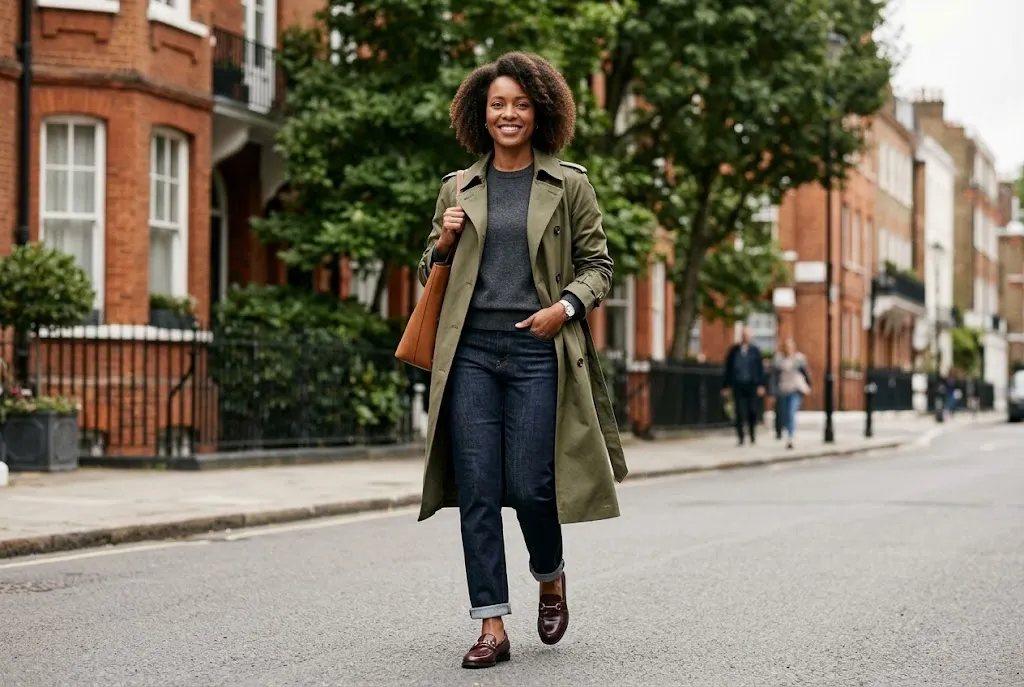
Learning how to dress for your body shape is not about hiding parts of your body or following strict fashion rules. It is about understanding proportions and choosing clothes that you genuinely enjoy wearing.
What Does Dressing for Your Body Shape Mean?
Dressing for your body shape simply means considering how clothing fits and falls on your body. Different garments can create different visual proportions depending on their cut, length, structure and fabric.
There is no single “ideal” body shape. The goal is not to change how your body looks, but to understand which clothing styles help you achieve the appearance and comfort you want.
Start With Clothes That Fit Properly
Fit is usually more important than following a particular body-shape rule. Clothing that fits comfortably and sits correctly can make an outfit look more polished regardless of your proportions.
Check areas such as the shoulders, waist, sleeves, trouser length and overall silhouette. Clothes should allow you to move comfortably without pulling, bunching or constantly needing adjustment.
If an item is close to perfect but needs a small adjustment, simple tailoring can sometimes make a significant difference.
Understand Your Natural Proportions
Instead of trying to place yourself into a rigid category, look at the relationship between your shoulders, waist and hips.
You may notice that your upper body is broader, your lower body is more prominent, your proportions are relatively balanced or your waist is less defined. These observations can help you understand which silhouettes you naturally prefer.
Remember that body proportions are individual and do not always fit neatly into standard categories.
Choose Clothing That Makes You Feel Balanced
If you want to create a balanced silhouette, consider where clothing adds structure, volume or visual interest.
For example, a structured jacket can add definition to the upper body, while wider-leg trousers can create a different balance through the lower half.
You do not need to use these techniques every day. They are simply options you can experiment with.
Pay Attention to Trouser and Jeans Cuts
Trousers can have a major influence on the overall proportions of an outfit. Straight-leg, wide-leg, tapered, slim and relaxed cuts all create different silhouettes.
Rather than choosing a style because it is supposedly “right” for your body shape, try several cuts and pay attention to which ones feel comfortable and look balanced with the rest of your outfit.
You can also explore our guide on how to style jeans for different occasions for practical outfit combinations.
Use Jackets and Blazers to Add Structure
Jackets and blazers can change the shape of an outfit by adding structure around the shoulders and torso.
A well-fitting blazer can make jeans and a simple top look more polished, while a relaxed jacket can create a more casual silhouette.
Pay particular attention to shoulder fit. If the shoulders sit correctly, the rest of the garment is generally easier to style.
For more ideas, read our guide on how to style a blazer.
Think About Clothing Lengths
The length of a top, jacket, coat or pair of trousers can change the visual proportions of an outfit.
A cropped jacket creates a different effect from a longer overshirt, while ankle-length trousers create a different silhouette from full-length styles.
Experiment with different lengths rather than assuming one particular measurement will always work for you.
Use Colour and Contrast Thoughtfully
Colour can influence where the eye is naturally drawn. A brighter or more contrasting colour can become a focal point, while similar shades can create a more continuous appearance.
If you want to understand this technique in more detail, our guide on how to mix colours in an outfit covers practical colour combinations and coordination.
Again, there is no need to avoid particular colours simply because of your body shape. Wear colours that you enjoy and experiment with how you combine them.
Consider Fabric and Structure
Different fabrics behave differently on the body. Lightweight fabrics may create a softer drape, while structured materials can create more defined shapes.
Knits, denim, cotton, wool and tailored fabrics can all contribute differently to an outfit.
If you are trying to create a particular silhouette, consider both the cut and the material rather than looking only at the size or colour of a garment.
Use Layers to Create Shape
Layering gives you another way to experiment with proportions. A shirt under a jumper, an overshirt over a T-shirt or a blazer over a simple top can all change the visual structure of an outfit.
Keep the layers comfortable and avoid adding unnecessary bulk. Our guide to layering clothes without looking bulky offers practical ideas for combining layers effectively.
Do Not Ignore Your Personal Style
Body-shape advice should never replace personal preference. If you love oversized clothing, you do not need to stop wearing it because a traditional style guide recommends fitted pieces.
If you prefer bold colours, patterns or unusual silhouettes, those choices can still be part of your wardrobe.
The most useful advice is the advice that helps you feel confident rather than restricting what you are allowed to wear.
Choose Clothes for Your Lifestyle
The right outfit also needs to suit your daily routine. Practical clothing that works for your job, commute, social life and activities is more valuable than an outfit that looks good but feels impractical.
A wardrobe that reflects your lifestyle will naturally make it easier to dress confidently.
This is one reason developing a personal style is useful. Your preferences, lifestyle and comfort should all influence the clothes you choose.
Common Mistakes to Avoid
When dressing for your body shape, avoid turning styling advice into strict rules.
- Buying clothes that do not fit: A supposedly flattering cut cannot compensate for poor fit.
- Trying to hide everything: Clothing should help you express yourself, not make you feel uncomfortable about your body.
- Following outdated rules: Fashion advice changes, and personal preferences matter.
- Ignoring comfort: Clothes you cannot comfortably wear will rarely become wardrobe favourites.
- Copying someone else’s proportions: What works for one person may not feel right for another.
Use Your Favourite Outfits as Evidence
If you already have outfits that make you feel particularly good, study them. Look at the trouser cut, top length, neckline, colours, footwear and layers.
You may discover that you repeatedly choose certain proportions without consciously thinking about them.
Once you recognise these patterns, you can use them when shopping for new clothes.
Build a Wardrobe Around What Works
Once you know which fits, colours and silhouettes you enjoy, look for more pieces that complement them.
A versatile wardrobe does not need to contain every possible style. It needs to contain enough compatible pieces to create outfits that suit your lifestyle and preferences.
Our guide to building a versatile wardrobe can help you create a practical foundation.
Remember That Your Body Shape Can Change
Your body and your preferences can change over time. Clothes that suited you several years ago may fit differently now, and that is completely normal.
Review your wardrobe occasionally and focus on how clothes fit and feel today rather than trying to maintain an old version of your style.
Final Thoughts
Learning how to dress for your body shape is ultimately about understanding proportions, fit and personal preference. There is no universal formula and no body shape that needs to be “fixed”.
Experiment with different cuts, lengths, colours, layers and fabrics to discover what makes you feel comfortable and confident. When you combine that knowledge with your own personal style, dressing becomes less about following rules and more about making clothes work for you.
