

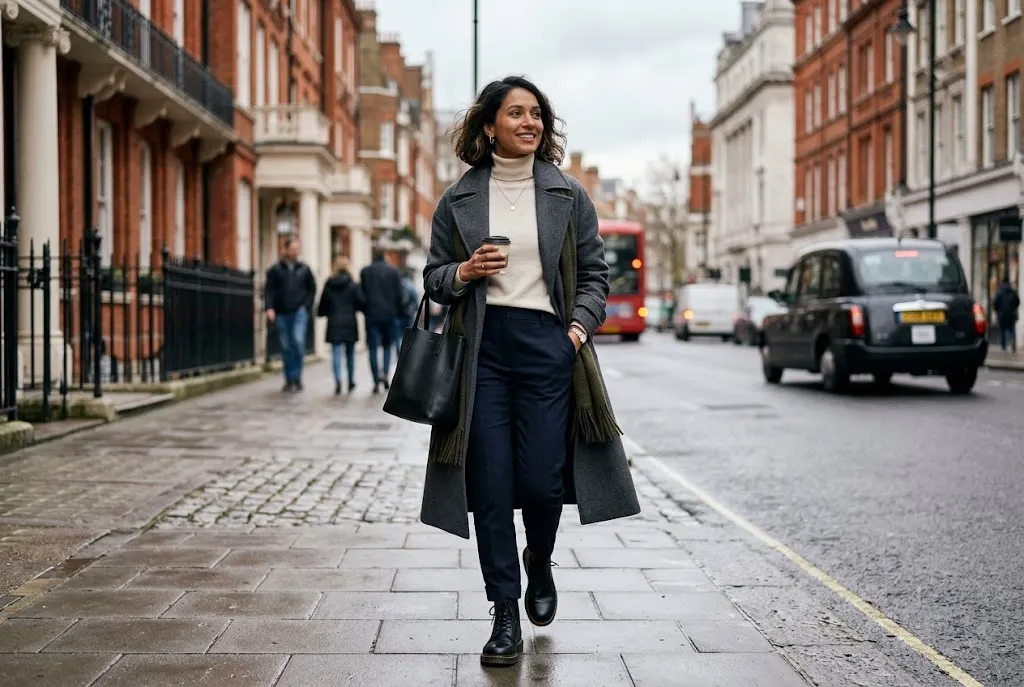
If you often find yourself buying clothes because they are fashionable but rarely wearing them afterwards, learning how to find your personal style can help you make more thoughtful choices and build a wardrobe that works for you.
What Is Personal Style?
Personal style is the way you consistently express yourself through clothing, footwear, colours, accessories and overall presentation.
It does not have to fit neatly into one category. You might prefer simple clothing during the week, smart casual outfits for work and more relaxed pieces at the weekend.
The important thing is that your clothes feel connected to your preferences rather than being dictated entirely by what happens to be popular.
Start by Looking at What You Already Wear
Before buying anything new, look through your current wardrobe. Identify the clothes you wear most frequently and consider why you reach for them.
Look for patterns such as:
- Colours you naturally prefer
- Clothing shapes that feel comfortable
- Materials you enjoy wearing
- Shoes you repeatedly choose
- Outfits that make you feel confident
- Pieces that work across several occasions
Your existing wardrobe can provide useful clues about your personal style without requiring you to start from scratch.
Think About Your Lifestyle
Your personal style needs to work with your everyday life. Someone who works in a formal office will have different wardrobe requirements from someone who works remotely or spends most of their time outdoors.
Think about where you actually spend your time and what you regularly need to dress for.
If most of your clothes do not suit your daily routine, even attractive pieces may remain unworn. Practicality should therefore be part of your style rather than something separate from it.
Choose a Small Core Colour Palette
Having a few colours that work well together can make your wardrobe easier to coordinate.
You might choose several neutral foundations such as navy, black, white, grey, beige, cream or brown and then add a few colours that you genuinely enjoy wearing.
You can explore more practical colour coordination techniques in our guide on how to mix colours in an outfit.
Pay Attention to Fit and Proportion
Personal style is not only about colour or trends. The fit and proportion of your clothes can have a major effect on how an outfit looks.
Notice whether you prefer fitted, relaxed, oversized, straight or tailored silhouettes. You do not need to follow one silhouette exclusively, but identifying what feels most natural can help you make better purchases.
Comfort matters too. If a piece looks good but you never feel comfortable wearing it, it is unlikely to become part of your real personal style.
Build Around Reliable Wardrobe Basics
A strong personal style does not require dozens of distinctive pieces. Start with reliable basics that you can wear repeatedly and style in different ways.
For example, a well-fitting pair of jeans, plain tops, versatile knitwear, a smart jacket, comfortable footwear and a practical coat can provide a strong foundation.
Our guide to building a versatile wardrobe explores how to choose pieces that can work across different seasons and situations.
Notice Which Outfits You Save or Admire
Pay attention to outfits that catch your attention, whether you see them on the street, online, in magazines or elsewhere.
Instead of simply copying the complete outfit, identify what you actually like about it. It could be the colour combination, proportions, layering, footwear or accessories.
You can then adapt that element to your own wardrobe and lifestyle.
Do Not Copy Someone Else’s Style Completely
Style inspiration is useful, but copying another person’s wardrobe piece for piece may not work for you.
Differences in lifestyle, climate, comfort, body proportions and personal preferences all affect how clothing works. Use other people’s outfits as ideas rather than instructions.
The aim is to translate inspiration into something that feels natural to you.
Separate Trends From Your Personal Style
Trends can be enjoyable, but not every trend needs to become part of your wardrobe.
Before buying a fashionable item, ask yourself whether you would still want it if it were no longer popular. If the answer is yes, it may genuinely fit your style.
If you only like something because you are seeing it everywhere, consider waiting before buying it.
Experiment With One New Element at a Time
If you want to develop your style, you do not need to completely change your wardrobe overnight.
Try introducing one new element at a time, such as:
- A different trouser shape
- A new colour
- A different style of jacket
- A distinctive accessory
- A new type of footwear
- A different approach to layering
This makes it easier to understand what works for you without making expensive mistakes.
Create Outfit Formulas You Can Repeat
Once you discover combinations that work, turn them into simple outfit formulas.
For example, you might find that a plain top, straight-leg jeans, structured jacket and trainers consistently works for you. Another person may prefer tailored trousers, a knit jumper and loafers.
Having a few dependable formulas makes getting dressed faster while still leaving room for variation.
Make Accessories Part of Your Style
Accessories can become an easy way to express personality without changing your entire wardrobe.
A particular type of watch, jewellery, handbag, scarf, belt or pair of sunglasses can become part of your recognisable look.
The key is consistency rather than quantity. A few accessories that genuinely suit you are usually more useful than a large collection you rarely wear.
Build a Wardrobe That Works Together
When most of your clothes can be combined with several other pieces, it becomes easier to dress in a way that feels consistent.
This is one reason a capsule wardrobe can be useful. You can focus on fewer pieces that work together rather than collecting clothes that only match one particular outfit.
Give Yourself Time to Develop Your Style
Personal style rarely appears instantly. Your preferences can change as your lifestyle, work, interests and confidence develop.
Instead of trying to define your style with a single label, allow it to evolve. What matters is gradually learning which clothes you enjoy wearing and why.
Ask Yourself Five Useful Questions
When deciding whether a new item belongs in your wardrobe, ask:
- Would I actually wear this regularly?
- Does it suit my lifestyle?
- Can I combine it with clothes I already own?
- Do I feel comfortable and confident wearing it?
- Would I still like it if it were no longer trending?
If an item passes most of these questions, it is more likely to become a useful part of your wardrobe rather than another forgotten purchase.
Do Not Confuse Personal Style With Constant Shopping
Developing your personal style does not mean buying more clothes. In many cases, it means becoming more selective.
When you understand your preferred colours, fits, silhouettes and outfit combinations, you can often make better purchasing decisions and avoid items that do not work with the rest of your wardrobe.
This can make your wardrobe feel more intentional while also reducing unnecessary spending.
Final Thoughts
Learning how to find your personal style is a process rather than a one-time decision. Start by studying what you already wear, consider your lifestyle, identify your preferred colours and fits, and build around versatile pieces that you genuinely enjoy.
Trends can provide inspiration, but they do not need to define your wardrobe. The strongest personal style is usually the one that feels comfortable, practical and recognisably yours.
