

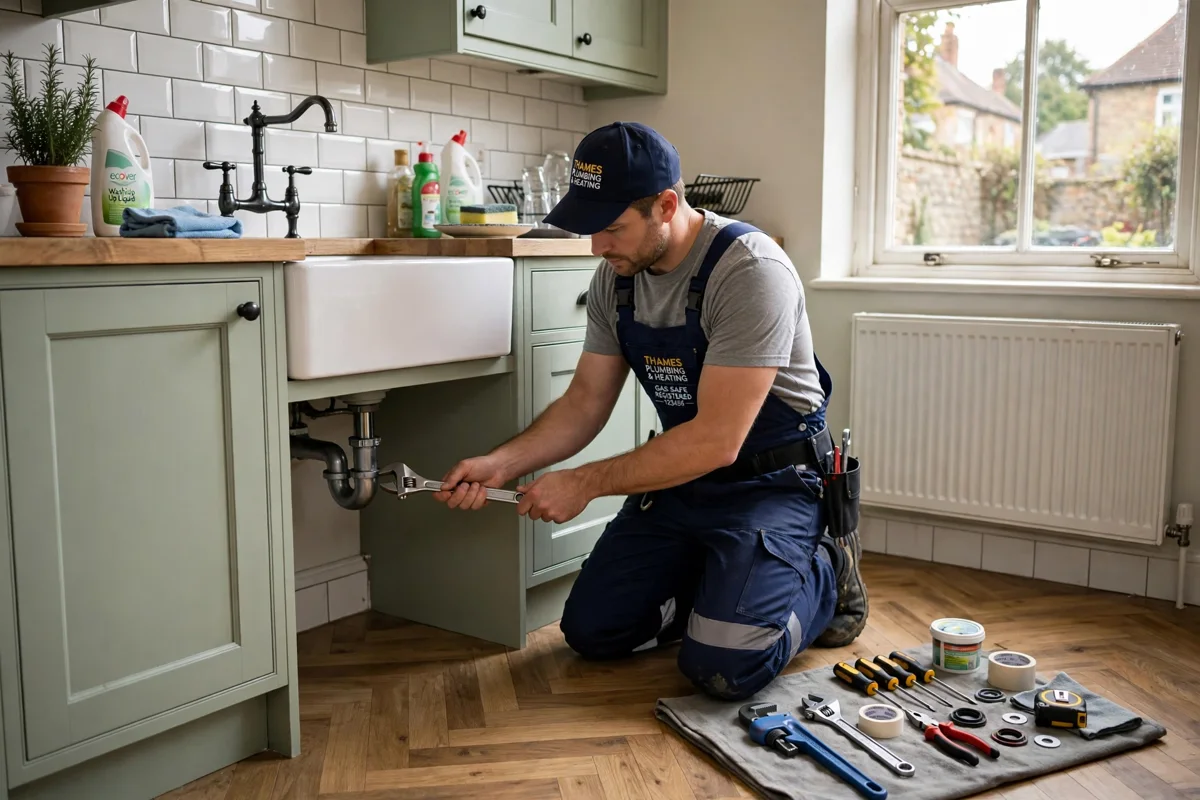
A burst pipe does not wait for a convenient moment, and neither does a boiler that gives up in January. Knowing how to choose a plumber before an emergency strikes is one of the most valuable bits of homework a UK homeowner can do. The trade has plenty of excellent professionals — and, unfortunately, a persistent minority of cowboys who charge a fortune for poor work. This guide explains the qualifications to check, the questions to ask and the pricing traps to avoid, so you can book with confidence.
Start With Qualifications and Registration
Plumbing itself is not a protected title in the UK, which means anyone can call themselves a plumber. That makes your checks more important, not less. Look for a recognised qualification such as an NVQ Level 2 or 3 in Plumbing and Heating, and evidence of real experience with the kind of work you need.
One boundary is absolute: anyone who works on gas appliances, including most boiler repairs and installations, must be on the Gas Safe Register by law. Ask to see the engineer’s Gas Safe ID card and check the number on the register’s website — the card shows exactly which categories of gas work the holder is qualified for. For general plumbing, membership of a trade body such as the Chartered Institute of Plumbing and Heating Engineering (CIPHE) or an approved contractor scheme is a good sign, as is accreditation through a consumer protection service. It is the same principle as choosing any trusted tradesperson: our guide to choosing a trusted garage services provider makes the same point about checking credentials before price.
Ask for Recommendations and Read Reviews Properly
The most reliable plumbers in most towns rarely need to advertise heavily — they are booked out on word of mouth. Ask neighbours, local friends and community groups who they use and, just as importantly, who they would avoid. A personal recommendation tells you about punctuality, tidiness and how the plumber handled the inevitable surprise problem, none of which appears on a business card.
Online reviews add a second layer. Look for a consistent pattern across many reviews rather than one furious or glowing outlier, and favour platforms where reviewers are verified customers. Be wary of a plumber with nothing but five-star reviews posted in a single week — genuine reputations build up over years. Checking a trader’s history this way is no different from researching how to choose the right garage for auto repairs: the process of vetting is identical, only the trade changes.
Get Written Quotes and Understand the Pricing
How to choose a plumber often comes down to how they handle money. For planned work, get at least two or three written quotes that break down labour, parts and VAT. A quote that is dramatically cheaper than the rest usually means corners will be cut — inferior parts, no guarantee, or “extras” that mysteriously appear later.
Understand the charging model before anyone picks up a wrench. Emergency call-outs are commonly charged at an hourly rate with a minimum fee; larger jobs should be a fixed price agreed in writing. Ask whether parts are supplied at trade cost or marked up, whether the work is guaranteed and for how long, and what the payment schedule is. Never pay the full amount upfront for a big job — a deposit for materials is reasonable, the balance on completion is standard. Spreading planned maintenance costs is something drivers already understand through car service plans, and the same budgeting logic applies to looking after a home’s plumbing and heating.
Check Insurance and Guarantees
A professional plumber should carry public liability insurance — ask for the certificate details if the job is substantial. If a leak from faulty work damages your ceiling, flooring or electrics, that insurance is what puts it right. Guarantees matter too: reputable plumbers guarantee their workmanship for at least a year, and new boilers and parts carry manufacturer warranties on top.
Keep paperwork. The quote, the invoice, guarantee documents and any Gas Safe certificates (such as the Building Regulations compliance certificate for a new boiler) should all be filed somewhere safe. They matter for insurance claims and they matter when you sell the property. Homeowners who keep good records of maintenance — much like drivers who follow a proper vehicle maintenance schedule — save themselves money and arguments later.
Emergencies: Plan Before You Have One
The worst time to learn how to choose a plumber is at midnight with water coming through the ceiling. Save the number of a vetted local plumber in your phone now, and make sure everyone in the house knows where the stopcock is — turning the water off quickly limits damage more than any repair. Know, too, what counts as a genuine emergency: uncontrolled leaks, total loss of heating in winter with vulnerable people in the house, and sewage problems justify emergency rates. A dripping tap does not.
When you do call in an emergency, ask two questions before the plumber sets off: what is the call-out fee, and what is the hourly rate? A professional will answer both without hesitation. And once the crisis is over, treat it as your cue to get the rest of the system checked — the same thinking behind preparing your car properly before a long trip applies to a house before winter.
Red Flags to Walk Away From
Be cautious with anyone who demands full payment in cash before starting, cannot produce insurance or Gas Safe details, gives a price without seeing the job on a major installation, or pressures you to decide immediately because “the price goes up tomorrow”. Vague verbal quotes, no written invoice and a mobile number with no traceable business presence are all warning signs. Trust the same instincts you would use when choosing a hotel in the UK: transparent pricing, verifiable reviews and clear terms beat a suspiciously cheap deal every time.
Choosing Well Pays for Itself
A good plumber is not the cheapest hourly rate — it is the one whose work lasts, whose prices are transparent and who answers the phone when something goes wrong. Verify the qualifications, lean on recommendations, insist on written quotes and keep the paperwork. Do that once, and you will have a number in your phone you can trust for years, which is worth far more than any one-off saving from a cowboy.
One final habit worth building: review your plumbing once a year, before winter puts it under real pressure. Check visible pipes for corrosion or slow drips, make sure you can actually turn the stopcock without a fight, and bleed radiators while the heating engineer visits cost less than they will in December. Ten minutes of prevention each autumn is the cheapest plumbing insurance there is — and it means the plumber you chose so carefully is mostly there for planned work, not emergencies.
