

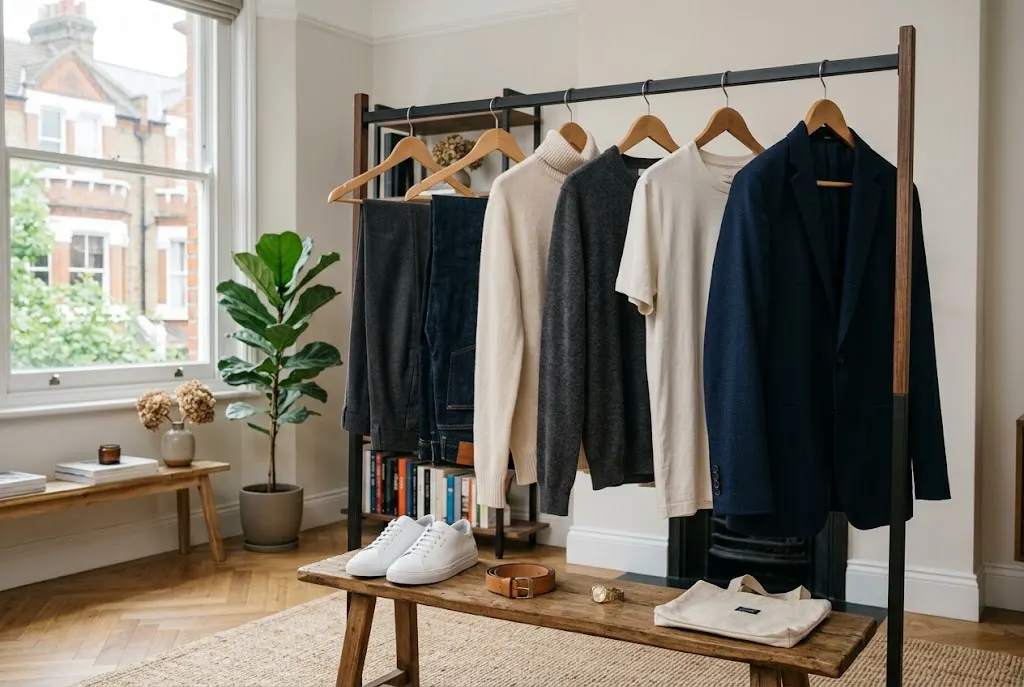
Looking stylish does not have to mean spending a fortune on clothes. A well-planned wardrobe can look polished and current without constantly buying expensive pieces or following every new fashion trend.
The secret is to shop more intentionally, understand what suits you and make better use of the clothes you already own. With a few practical changes, you can create outfits that look considered while keeping your spending under control.
Whether you are refreshing your wardrobe, starting a new job or simply trying to spend less on fashion, these practical tips can help you develop a more affordable personal style.
What Does It Mean to Dress Well on a Budget?
Dressing well on a budget means getting the best possible use from your clothing without relying on expensive brands.
Instead of measuring style by the price of an outfit, focus on:
- Good fit
- Clean and well-maintained clothing
- Versatile colours
- Suitable proportions
- Simple combinations
- Appropriate footwear
- Thoughtful accessories
A £40 outfit can look more polished than a £400 outfit if the clothes fit properly and work well together.
Start With the Clothes You Already Own
Before buying anything new, take a proper look at your existing wardrobe.
It is easy to assume you need new clothes when the real problem is that your current pieces are not being combined effectively.
Take everything out and group your clothes into categories such as:
- Everyday tops
- Shirts and blouses
- Jeans and trousers
- Jumpers and knitwear
- Jackets and blazers
- Dresses and skirts
- Coats
- Shoes
- Accessories
Look for pieces you rarely wear and consider why. If an item does not work with anything else, it may not have been a useful purchase in the first place.
Build Your Wardrobe Around Versatile Basics
Versatile basics are some of the most valuable pieces in an affordable wardrobe because they can be worn in several different ways.
Depending on your personal style, useful foundations can include:
- Plain T-shirts
- Well-fitting jeans
- Neutral trousers
- Simple knitwear
- A versatile shirt or blouse
- A blazer or structured jacket
- A practical coat
- Clean everyday trainers
- A pair of smarter shoes or boots
You do not need every item on this list. Choose pieces that genuinely fit your lifestyle.
For example, someone who works remotely may have little use for several formal jackets, while someone working in an office may benefit from investing more in workwear.
Choose Colours That Work Together
One of the easiest ways to make a budget wardrobe look more expensive is to choose a coordinated colour palette.
Neutral colours such as black, white, navy, grey, beige, cream and brown are particularly easy to combine.
You can then introduce personality through one or two accent colours.
For example, a wardrobe built around navy, cream and grey can be updated with burgundy, green or another colour you enjoy wearing.
A consistent colour palette also reduces the number of items you need because more of your clothes can be worn together.
Pay Attention to Fit
Fit can make a major difference to how clothing looks.
A basic T-shirt that sits correctly on the shoulders and falls neatly through the body can look more polished than an expensive designer T-shirt that does not suit your proportions.
Check:
- Where shoulder seams sit
- Whether sleeves are the right length
- Whether trousers sit comfortably at the waist
- Whether jackets pull or bunch when moving
- Whether the overall silhouette feels balanced
If a relatively inexpensive item fits well but needs a small adjustment, a tailor or alterations service may sometimes be a better investment than replacing the garment.
Learn How to Style Basic Clothes
Simple clothing becomes much more useful when you know how to combine it.
A plain T-shirt, for example, can be worn with jeans and trainers for a casual outfit, or with tailored trousers, a blazer and smarter shoes for a more polished look.
Similarly, a simple shirt can be worn:
- Under a jumper
- With jeans
- With tailored trousers
- Under a blazer
- Open over a plain T-shirt
The more combinations you can create from one item, the more value you get from your wardrobe.
This approach also works particularly well alongside a capsule wardrobe, where versatility is more important than having a large number of clothes.
Use Layers to Change an Outfit
Layering can make a basic outfit look considerably more interesting without requiring you to buy a completely new wardrobe.
Try combinations such as:
- T-shirt plus overshirt
- Shirt plus fine-knit jumper
- Blouse plus cardigan
- T-shirt plus blazer
- Jumper plus structured coat
Layering is also particularly practical in the UK because temperatures and weather conditions can change throughout the day.
Choose layers that work individually as well as together so you can adjust your outfit when necessary.
Invest in the Right Shoes
Footwear can influence the appearance of an entire outfit.
You do not need a huge shoe collection. Instead, choose a few pairs that cover the situations you regularly encounter.
A practical wardrobe might include:
- Everyday trainers
- Smart casual shoes or loafers
- Boots suitable for cooler weather
- Optional occasion footwear
Keep your footwear clean and properly maintained. Even inexpensive shoes can look considerably better when they are in good condition.
Use Accessories to Add Personality
Accessories can transform simple clothing without requiring a large investment.
Depending on your style, consider:
- Belts
- Watches
- Scarves
- Simple jewellery
- Handbags or structured bags
- Caps or hats
- Sunglasses
You do not need to use several accessories at once. One well-chosen piece can sometimes provide enough visual interest.
Shop With a List
Impulse purchases are one of the easiest ways to overspend on fashion.
Before shopping, make a short list of what you genuinely need.
Instead of saying, “I want some new clothes,” identify a specific gap such as:
- A smart pair of trousers for work
- A neutral jumper for autumn
- Comfortable shoes for everyday use
- A versatile jacket
Having a clear purpose makes it easier to ignore items that look attractive in the shop but will have little practical value in your wardrobe.
Use the Cost-Per-Wear Approach
Price alone does not tell you whether an item is good value.
Consider how often you are likely to wear it.
For example, a £25 top worn twice may provide less value than a £70 coat worn regularly for several seasons.
This does not mean you should automatically spend more. Instead, think about the relationship between price, quality, versatility and expected use.
Do Not Buy Something Just Because It Is on Sale
A discount is not a saving if you would never have bought the item otherwise.
Sales can encourage unnecessary purchases, particularly when a large percentage discount creates a sense of urgency.
Before buying a reduced item, ask yourself:
- Would I buy this at full price?
- Does it fit properly?
- Can I create at least three outfits with it?
- Does it work with clothes I already own?
- Will I realistically wear it?
If the answer is mostly no, leaving it behind may be the better financial decision.
Explore Charity Shops and Pre-Owned Fashion
Charity shops and second-hand platforms can be useful for finding distinctive clothing without paying full retail prices.
They can be particularly worthwhile for items such as:
- Coats
- Blazers
- Denim
- Knitwear
- Occasion clothing
- Accessories
When buying second-hand, check the condition, measurements and fabric carefully. Look for signs of excessive wear, damaged seams, missing buttons or stains before purchasing.
Take Care of Your Clothes
Looking after your clothing can help your wardrobe last longer and reduce how frequently you need to replace items.
Follow care instructions and avoid washing clothes unnecessarily when airing or spot-cleaning is sufficient.
Store knitwear appropriately, repair small issues early and keep shoes clean. Simple maintenance can make a noticeable difference to the appearance and lifespan of everyday clothing.
Make Your Outfits Look More Polished
Small details can make inexpensive clothing appear more considered.
Before leaving home, check:
- Are your clothes clean?
- Are they suitable for the occasion?
- Do the colours work together?
- Are your shoes in good condition?
- Do you need to remove or add a layer?
- Would one simple accessory improve the outfit?
Sometimes the difference between an ordinary outfit and a polished one is simply presentation.
Do Not Follow Every Fashion Trend
Trends can be fun, but trying to follow every new fashion direction can quickly become expensive.
Instead, identify the styles you genuinely enjoy and look for ways to incorporate current influences into your existing wardrobe.
A classic blazer, good-quality knitwear or well-fitting jeans can remain useful long after a short-lived trend has disappeared.
This approach allows you to develop a personal style instead of constantly replacing clothes.
Learn Which Shapes Suit You
Understanding your proportions can help you choose clothes more confidently.
This does not mean following rigid rules about what you are “allowed” to wear. Fashion should remain personal.
Instead, pay attention to the silhouettes you naturally feel comfortable wearing.
You may find that certain trouser rises, jacket lengths, necklines, sleeve shapes or proportions consistently make you feel more confident.
Once you know what works for you, shopping becomes easier because you can focus on clothing that fits your preferred style rather than experimenting with every available trend.
Create More Outfits From the Same Clothes
One of the best ways to save money is to create more combinations from the clothes you already have.
For example, one pair of tailored trousers might work with:
- A plain T-shirt and trainers
- A shirt and loafers
- A jumper and boots
- A blazer and smart shoes
- An overshirt and casual footwear
Take photographs of combinations you like. This can make choosing an outfit easier on busy mornings and may also reveal which wardrobe pieces are genuinely versatile.
Build a Budget-Friendly Seasonal Wardrobe
You do not need to completely replace your wardrobe when the season changes.
Instead, rotate a small number of seasonal pieces while keeping versatile basics available throughout the year.
For spring and summer, you may rely more on lightweight shirts, T-shirts, dresses and breathable trousers.
For autumn and winter, add knitwear, boots, coats and warmer layers.
This approach can reduce unnecessary seasonal shopping while keeping your wardrobe practical for UK weather.
When Is It Worth Spending More?
Sometimes paying more for an item can make sense, particularly when it is something you use frequently.
Potential investment pieces might include:
- A winter coat
- Everyday footwear
- A work bag
- A versatile blazer
- High-use knitwear
However, higher price does not automatically mean better quality. Consider fabric, construction, fit, durability and how often you expect to use the item.
Budget Fashion Mistakes to Avoid
Buying Too Much at Once
Refreshing your entire wardrobe in one shopping trip can lead to unnecessary purchases. Replace items gradually and focus on genuine gaps.
Choosing Price Over Quality
The cheapest option is not always the most economical if it needs replacing quickly.
Buying for an Imaginary Lifestyle
Do not build a wardrobe around occasions you rarely attend. Your clothes should reflect your real daily life.
Ignoring Comfort
If something looks great but you never want to wear it, it is unlikely to become a useful wardrobe piece.
Having Too Many Similar Items
Buying five versions of the same basic item may seem practical, but your budget may be better spent filling other wardrobe gaps.
A Simple Budget-Friendly Shopping Checklist
Before buying a new item, ask yourself these questions:
- Does it fit properly?
- Is it comfortable?
- Does the colour work with my existing wardrobe?
- Can I create at least three outfits with it?
- Will I wear it regularly?
- Is it suitable for my lifestyle?
- Would I still want it without the discount?
- Do I already own something similar?
If the item passes most of these checks, it is more likely to become a useful addition rather than another piece sitting unworn in your wardrobe.
Frequently Asked Questions
How can I look stylish without spending much money?
Focus on fit, versatile basics, coordinated colours, clean footwear and simple accessories. You can also create new combinations from clothes you already own.
What are the best clothes to buy on a budget?
Prioritise versatile pieces you will wear frequently, such as well-fitting trousers, jeans, knitwear, plain tops, practical outerwear and suitable everyday footwear.
Are expensive clothes necessary to look fashionable?
No. Price does not guarantee style. Fit, condition, coordination and confidence can have a much greater effect on how an outfit looks.
How can I stop overspending on clothes?
Create a shopping list, set a realistic budget and avoid impulse purchases. Before buying something, consider whether it fills a genuine wardrobe gap.
Is second-hand clothing worth buying?
Yes, provided the item is in good condition, fits properly and works with your existing wardrobe. Charity shops and pre-owned platforms can offer useful options at lower prices.
How many clothes do I actually need?
There is no universal number. The right wardrobe depends on your lifestyle, work requirements, climate, laundry routine and personal preferences. A smaller collection of versatile clothes can be more useful than a much larger wardrobe.
Conclusion
Looking stylish on a budget is less about buying more and more about making better decisions.
Start with the clothes you already own, build around versatile pieces, pay attention to fit and choose colours that work together. Shop with a purpose, avoid unnecessary trend purchases and look after the clothing you already have.
With these habits, you can create a wardrobe that feels stylish, practical and personal without constantly increasing your fashion spending.
