

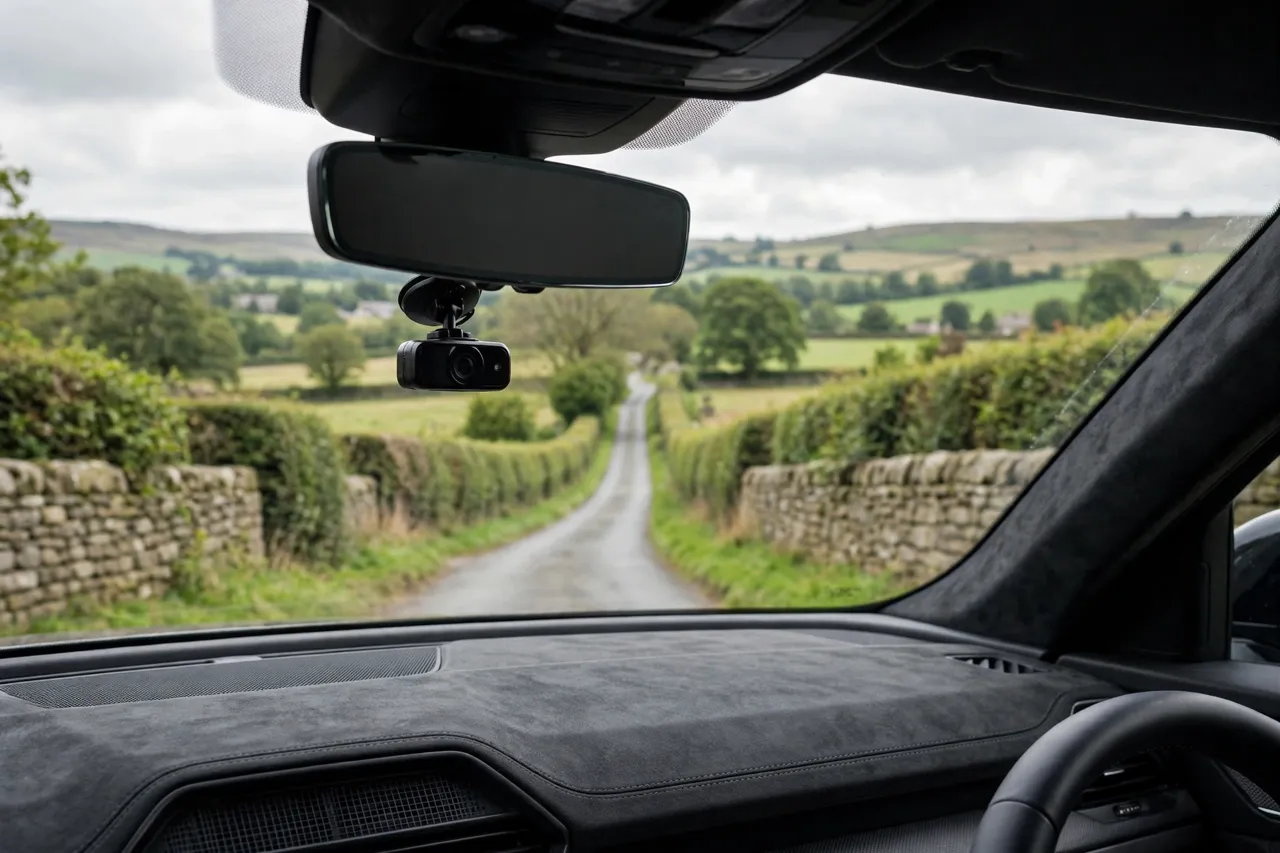
A dash cam is one of those purchases you hope never proves its worth, yet the first time someone disputes what happened at a junction, the footage settles the argument in seconds. Knowing how to choose a dash cam in the UK means looking past the headline price and the longest feature list, and focusing on the handful of things that decide whether the footage is actually usable: video quality, reliability, parking protection and how the camera behaves on a dark, wet motorway at night. This buyer’s guide explains what matters, what is marketing, and how to fit and use your camera legally and well.
Video Quality: More Than a Big Number
Manufacturers love to lead with resolution, and a sharper image does help when you need to read a number plate. In practice, the quality of the sensor and lens matters as much as the pixel count. A good 1440p or 4K camera with a decent sensor will capture clearer footage in poor light than a cheap camera boasting a higher number. Look for a wide field of view, around 140 degrees, which covers the whole road ahead without the distorted fisheye look of very wide lenses.
Night performance deserves special attention, because a large share of incidents happen in the dark or in winter gloom. Features described as night vision, HDR or wide dynamic range help the camera balance bright headlights against dark shadows, so plates and road signs stay readable. If you regularly drive unlit rural roads, prioritise low-light performance over almost everything else.
Single, Dual or 360: Choosing Your Setup
A basic dash cam watches the road ahead, and for many drivers that is enough. A dual system adds a rear camera, which is valuable evidence in the most common collision of all, the rear-end shunt, and helps in car parks too. Some systems add an interior camera, popular with taxi and private hire drivers. The trade-offs are cost, a more involved installation, and more footage to store.
Think about how the cameras connect and how you will route the rear cable before buying, especially in larger cars and estates. If you are buying a car at the same time, our guide to buying a car online with AutoTrader UK will help you find the right vehicle to fit it to, and a pre-purchase vehicle inspection is worth arranging before any dash cam goes in.
Parking Mode and Power Options
Parking mode is the feature owners appreciate most after an incident: the camera wakes up when it detects an impact or movement and records while the car is parked. To work properly over long periods it usually needs a hardwire kit connected to the fuse box, which also frees your 12V socket and hides the cables. A hardwire kit with a voltage cut-off protects your car battery from being drained flat.
Fitting a hardwire kit is a job many drivers happily hand to an auto electrician or a garage, in the same visit as routine work such as tyre services or wheel alignment. If your car is electric or hybrid, mention the camera when booking EV servicing or hybrid servicing, so the technician knows it is there and the 12V system is checked too.
Storage, GPS and Connectivity
Dash cams record to a microSD card, overwriting the oldest footage in a loop. Buy a high-endurance card designed for constant recording, and choose a generous capacity so an important clip is not overwritten before you can save it after a long drive. Most cameras lock the current file automatically when they detect an impact, thanks to a built-in G-sensor.
GPS logging records your speed and location alongside the video, which can strengthen evidence, although it also records your own speed, so it rewards careful driving. Wi-Fi and app connectivity make it easy to view and download clips to your phone without removing the card, and cloud features on some models can upload an incident clip automatically. These extras are genuinely convenient, but they come second to clear footage and reliability.
Screens, Mounts and Everyday Usability
Some dash cams have a small built-in screen, which makes aiming the camera and reviewing a clip at the roadside simple. Others rely entirely on a phone app and stay discreet behind the mirror. Neither approach is wrong, but think about who will use the footage: a screen suits drivers who are not confident with apps, while a screenless model suits anyone who prefers a tidy, factory-fitted look. Whichever you choose, check how the camera alerts you to a failed memory card or a full storage loop, because a silent failure is worse than no camera at all.
Mounting matters too. Adhesive mounts are secure and rattle-free but semi-permanent, while suction mounts can be moved between cars, handy if you drive a hire car or share vehicles. Power cables should be routed along the headlining and down the A-pillar trim, taking care around airbags fitted inside the pillar. If that sounds fiddly, professional fitting is widely available and usually quick, and it leaves the installation safe and invisible.
The Legal Side in the UK
Dash cams are legal in the UK, with a couple of common-sense conditions. The camera must not obstruct your view of the road: fit it behind the rear-view mirror, high on the windscreen, and keep cables tucked away so they do not dangle into your eyeline. An obstructively placed camera can cause problems at MOT time and after an accident.
Tell your insurer that you have fitted one; many insurers welcome it and some offer a discount, while failing to declare a hardwired modification could cause arguments later. If you record passengers, for example as a taxi driver, privacy rules apply and passengers should be informed. Finally, if you capture a genuinely dangerous incident, footage can be submitted to the police through the national reporting portal used by most forces, which has made dash cam evidence a routine part of road policing.
Putting It All Together
To choose a dash cam that will actually help when it matters, spend your budget in this order: a good sensor and clear video first, reliable storage second, parking mode if your car sits in public places, and connectivity last. Fit it neatly, format the card occasionally as the maker recommends, and check every few months that it is still recording properly. Do that, and your quiet little windscreen witness will be ready on the one day you really need it. Keep the windscreen clean around the lens, wipe the lens itself now and then, and replace the memory card every year or two, because cards wear out under constant recording. Those tiny habits keep the evidence sharp, and sharp evidence is the whole point of owning one.
