

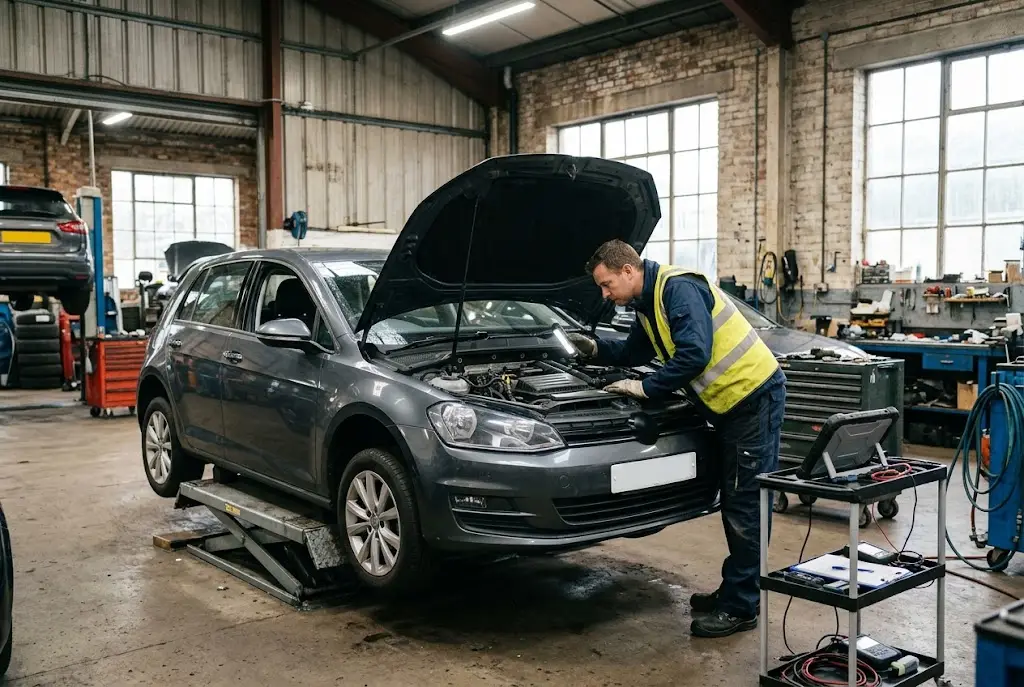
Choosing reliable auto inspection services can give you valuable information about a vehicle before you commit to buying it. A seller may describe a car as being in excellent condition, but an independent inspection can reveal mechanical, structural or safety issues that are difficult to identify during a short test drive.
This is particularly useful when buying a used vehicle privately or from a seller whose own inspection arrangements you do not want to rely on. A professional vehicle inspection can provide an objective assessment of the car’s current condition and help you make a more informed purchasing decision.
What Are Auto Inspection Services?
Auto inspection services involve examining a vehicle to identify its overall condition, potential faults and safety concerns. The depth of an inspection depends on the provider and the package selected.
A basic inspection may concentrate on visible mechanical and cosmetic condition, while a more comprehensive assessment can include a road test, underbody examination, engine checks, electronic diagnostics and inspection of major components.
The purpose is not necessarily to guarantee that a vehicle will never develop a problem. Instead, an inspection provides a clearer picture of the vehicle at the time it is assessed.
Why Consider a Vehicle Inspection Before Buying?
Buying a used car involves more uncertainty than purchasing a new vehicle. Age, mileage, previous ownership and maintenance history can all influence its condition.
A vehicle inspection can help identify problems that may not be immediately apparent. For example, an inspector may notice worn tyres, brake issues, fluid leaks, suspension wear or signs of previous accident damage.
This information can influence your decision in several ways. You may decide to proceed with the purchase, negotiate the price based on identified defects or walk away from a vehicle that appears too risky.
It can also prevent a situation where an apparently attractive purchase becomes expensive shortly after ownership begins.
Pre-Purchase Inspection: What Does It Cover?
A pre-purchase inspection is specifically intended to help a prospective buyer assess a vehicle before completing the transaction. The exact inspection checklist varies between providers, so it is important to understand what is included before booking.
Depending on the service, an inspection may examine:
- Engine condition and visible signs of leaks
- Transmission and clutch operation
- Braking components and braking performance
- Tyres, wheels and suspension
- Steering components
- Lights and electrical systems
- Bodywork and paint condition
- Visible signs of accident or structural damage
- Interior condition and equipment
- Warning lights and dashboard systems
- Vehicle identification details
Some inspection services may also include a road test. This can help identify issues such as unusual noises, vibration, steering behaviour or transmission problems that may not be obvious while the vehicle is stationary.
Independent Inspection vs Seller’s Inspection
An independent inspection can be particularly useful because the person assessing the vehicle is working for the prospective buyer rather than relying solely on the seller’s description.
Independence does not automatically mean that an inspection is perfect. However, it can provide another professional perspective and help separate marketing claims from observable vehicle condition.
When arranging an inspection, check whether the provider has any relationship with the seller, dealership or other party involved in the transaction. You should also ask what qualifications, experience and equipment the inspector uses.
Diagnostic Inspections for Modern Cars
Modern vehicles contain numerous electronic systems, making diagnostic inspections an increasingly useful part of vehicle assessment. A suitable diagnostic scan may identify stored fault information that is not obvious from a visual inspection.
However, diagnostic equipment should be treated as one part of the inspection rather than a complete substitute for physical checks. A fault code can point a technician towards a potential issue, but additional testing may be required to establish the actual cause.
This is why a good inspection should combine electronic diagnostics with physical examination and, where appropriate, a road test.
Do Auto Inspection Services Replace an MOT?
No. An independent inspection and an MOT serve different purposes.
An MOT is a regulated test that checks whether a vehicle meets specific legal requirements relating to road safety and environmental standards at the time of the test. It is not a comprehensive mechanical health assessment.
Consequently, a vehicle can have a current MOT while still having mechanical or maintenance issues that deserve attention. GOV.UK provides official information about what an MOT covers and what drivers should understand about the test.
If you are buying a used vehicle, checking its MOT history alongside an independent inspection can therefore give you a more complete picture of its condition and history.
What to Look for in Inspection Reports
One of the most useful outcomes of an inspection is a written report. Before booking, ask what type of inspection report you will receive and how clearly it identifies problems.
A useful report should distinguish between issues that require immediate attention and items that may simply need monitoring. It should also explain significant findings in language that a normal vehicle owner can understand.
Photographs can be particularly helpful where the inspection identifies bodywork damage, corrosion, worn components or other visible concerns.
Do not focus only on the number of faults listed. Consider their severity, likely repair cost and effect on the vehicle’s safety and reliability.
How to Choose the Right Auto Inspection Services
There are several factors worth comparing before booking an inspection.
Check the Inspection Level
Not every inspection package provides the same level of detail. Compare the inspection checklist carefully and determine whether it includes a road test, diagnostics, underbody inspection and other checks that matter for the vehicle you are considering.
Ask About the Inspector
Find out who will carry out the inspection and whether they have relevant automotive experience. A competent inspector should understand the common failure points and maintenance requirements associated with different vehicle types.
Understand the Report
Ask for an explanation of what the final report includes. If the report is highly technical and provides little practical guidance, it may be harder to use when deciding whether to purchase the vehicle.
Compare Prices and Coverage
The cheapest inspection is not always the best option. Instead, compare the price against the level of coverage, inspection duration, diagnostic equipment and quality of the final report.
Vehicle Health Checks for Existing Owners
Although pre-purchase inspections are commonly associated with used-car buyers, vehicle health checks can also benefit existing owners.
A health check can help identify developing problems before they become major repairs. This may be useful before a long journey, when preparing an older vehicle for sale or when you notice changes in performance but cannot identify the cause.
For ongoing ownership, inspections work best alongside vehicle maintenance. Regular servicing and preventative checks can help address wear before it turns into a more expensive failure.
Signs That You Should Arrange an Inspection
You do not always need to wait until a vehicle develops an obvious fault before seeking professional advice. An inspection may be worthwhile when:
- You are considering buying a used vehicle.
- The seller cannot provide convincing maintenance records.
- The car has unusually high mileage.
- You notice warning lights or unexplained noises.
- The vehicle has visible bodywork or corrosion concerns.
- You suspect previous accident damage.
- The car behaves differently during a test drive.
- You are preparing an older vehicle for sale.
- You want an independent assessment before making a major purchase.
For buyers, an inspection can be especially valuable when the cost of a potential repair would significantly affect the overall value of the vehicle.
Use Inspection Findings to Make a Better Buying Decision
An inspection report should not automatically mean that you reject a vehicle. Used cars naturally have some degree of wear, particularly as they become older or accumulate higher mileage.
The important question is whether the identified condition matches the price, age, mileage and expected future ownership costs.
For example, minor cosmetic imperfections may have little impact on your decision, while significant structural damage or serious mechanical faults could change the calculation completely.
If an inspection identifies repairable issues, you can use the findings to have a more informed conversation with the seller. You may be able to negotiate a lower price, request that certain repairs are completed or decide that another vehicle represents better value.
Combine Inspection, Maintenance and Repair Information
A comprehensive approach to vehicle ownership means looking beyond a single inspection. Inspection results can identify current problems, while a proper maintenance approach helps you manage the vehicle after purchase.
Once you own the vehicle, keeping accurate records of servicing and repairs can make future maintenance decisions easier. If problems are discovered, reputable auto repair services can help diagnose and resolve them.
You can also compare garage services when deciding where to arrange ongoing mechanical work. This creates a more connected approach: inspect the vehicle before purchase, maintain it during ownership and use appropriate repair specialists when faults occur.
Are Auto Inspection Services Worth the Cost?
For many used-car buyers, the cost of an inspection can be relatively small compared with the potential expense of purchasing a vehicle with serious hidden problems.
There is no inspection that can predict every future failure. Nevertheless, an independent assessment can reduce uncertainty and provide evidence that is difficult to obtain from a short viewing or test drive alone.
The value therefore depends on the vehicle, its price, age, condition and your tolerance for unexpected repair costs. The more significant the purchase, the more useful an objective assessment can become.
Make Vehicle Inspections Part of Smarter Car Buying
Reliable auto inspection services can give UK drivers a clearer understanding of a vehicle before they commit to ownership. A thorough inspection can identify visible defects, mechanical concerns, electronic faults and other issues that may influence the true cost of a used car.
Before booking, compare inspection levels, check what diagnostics are included and make sure you will receive a useful written report. Most importantly, treat the inspection as one part of your overall buying process rather than a guarantee that the vehicle will remain fault-free.
Combining an independent inspection with MOT history checks, service records and sensible vehicle maintenance can put you in a much stronger position when choosing your next car.
For official information about MOT testing and vehicle roadworthiness in Great Britain, consult the relevant GOV.UK MOT guidance.
