

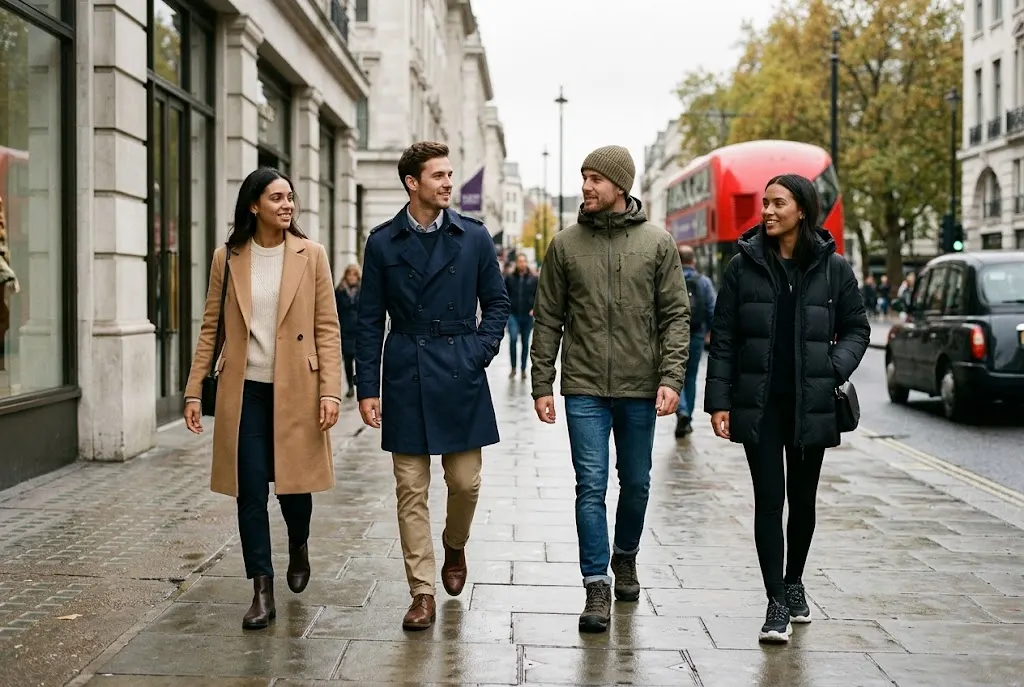
Choosing the right coat in the UK is about more than finding something that looks good. With changing temperatures, rain, wind and unpredictable forecasts, your outerwear needs to balance style, comfort and practicality.
The best coat is one that suits your everyday routine, works with the clothes you already own and provides the right level of protection for the weather you actually experience.
This guide explains how to choose the right coat for the UK weather, covering different coat styles, seasons, materials, lengths, layering and practical buying tips.
Why Choosing the Right Coat Matters
A coat is often the most visible part of an outfit during colder months. It can also determine whether you feel comfortable when commuting, walking around town or spending time outdoors.
A stylish coat that offers little protection from rain or wind may not be particularly useful. Equally, an extremely heavy winter coat can be uncomfortable when the weather is mild.
Instead of looking for one coat that does everything, think about which types of outerwear best match your lifestyle and the UK conditions you regularly encounter.
What Should You Consider When Buying a Coat?
Before buying a coat, consider:
- Your usual climate and local weather
- How much time you spend outdoors
- Whether you commute by car, public transport or on foot
- The seasons you want the coat to cover
- The clothing you normally wear underneath
- Your preferred level of formality
- How much maintenance the material requires
A coat that works with your lifestyle will usually be more useful than one chosen purely because it looks fashionable.
Best Coat Styles for UK Weather
Different coat styles serve different purposes. Understanding the main options makes it easier to build a practical wardrobe.
Raincoat
A raincoat is useful for wet conditions, particularly during spring, autumn and milder winter days.
Look for a design that provides adequate protection while leaving enough room for a layer underneath.
Trench Coat
A trench coat can combine practical weather protection with a polished appearance. It can work particularly well with smart-casual, office and everyday outfits.
Wool Coat
A wool or wool-blend coat can provide warmth and a sophisticated appearance during autumn and winter.
It is particularly useful when you want outerwear that works with tailored trousers, jeans, dresses or smart workwear.
Puffer Coat
Puffer coats are designed with warmth in mind and can be useful during colder periods.
They are particularly practical for casual wardrobes, outdoor activities and cold commutes.
Parkas
Parkas can provide good coverage and are often designed with practical details such as hoods, pockets and weather-resistant materials.
They are useful for casual winter outfits and outdoor activities.
Peacoat
A peacoat provides a structured appearance while offering warmth during cooler weather. Its shorter length can also make it convenient for everyday movement.
Mac Coat
A mac coat is a useful lightweight-to-midweight outer layer for transitional weather. Its simple design can work well with both casual and smart outfits.
How to Choose a Coat for Rain
Rain is one of the biggest considerations when choosing UK outerwear.
If you regularly walk or use public transport, consider a coat with:
- A protective outer fabric
- A practical hood
- Secure pockets
- A suitable length
- Enough room for layers
Pay attention to the difference between water-resistant and waterproof materials. If you regularly spend significant time outside in heavy rain, stronger weather protection may be more important than appearance alone.
How to Choose a Coat for Windy Weather
Wind can make mild temperatures feel considerably colder.
A coat that fits relatively close to the body can reduce unnecessary gaps, while a hood and suitable fastening can provide additional protection.
Longer coats can also provide more coverage, particularly when you are outdoors for extended periods.
How to Choose a Winter Coat
A winter coat needs to provide warmth while still allowing you to move comfortably.
Consider:
- Insulation
- Outer fabric
- Length
- Hood design
- Fastenings
- Pocket placement
- Room for knitwear underneath
If you spend most of winter travelling between heated buildings and transport, you may not need the same level of insulation as someone who spends hours outdoors.
How to Choose a Coat for Autumn
Autumn is a transitional season, so versatility is particularly valuable.
Good options include:
- Wool-blend coats
- Trench coats
- Mac coats
- Quilted jackets
- Lightweight parkas
- Oversized blazers
Layering underneath allows you to adapt to changing temperatures throughout the day.
How to Choose a Coat for Spring
Spring weather can vary considerably, so a lightweight coat is often more useful than heavy winter outerwear.
Consider a trench, mac, lightweight waterproof jacket or structured casual jacket.
A coat that works over a T-shirt, shirt or lightweight knit can provide more flexibility as temperatures change.
What Coat Should You Wear in Summer?
Although heavy coats are rarely necessary during the warmer months, a lightweight outer layer can still be useful in the UK.
For cooler evenings or unexpected rain, consider:
- Lightweight waterproof jackets
- Light cotton jackets
- Lightweight trench coats
- Unstructured jackets
Breathable fabrics can help prevent overheating.
How Coat Length Affects Your Outfit
Coat length can affect both practicality and the appearance of an outfit.
Short Coats
Short jackets are convenient for everyday movement and can work particularly well with jeans, trousers and casual outfits.
Mid-Length Coats
Mid-length coats provide a useful balance between coverage and practicality. They can work with casual and smart-casual wardrobes.
Long Coats
Longer coats can provide greater protection from cold weather and create a more polished silhouette.
They work particularly well with tailored trousers, dresses, skirts and other structured outfits.
How to Choose the Right Coat Colour
Neutral coat colours tend to provide the most versatility.
Consider:
- Black
- Navy
- Charcoal
- Grey
- Beige
- Camel
- Olive
- Brown
A neutral coat can work with a wide range of outfits, making it a particularly useful choice if you are building a versatile wardrobe.
If you already own several neutral clothes, a coat in a subtle colour can also add variety without becoming difficult to style.
How to Choose the Right Coat Material
Wool
Wool and wool blends are popular for cooler weather because they can provide warmth while creating a polished appearance.
Cotton
Cotton can be useful for lighter transitional coats and jackets, although its suitability depends on the specific construction and weather protection.
Polyester and Technical Fabrics
Technical synthetic fabrics are commonly used in weather-resistant outerwear. They can be practical for rain, wind and outdoor activities.
Leather
Leather jackets can add structure and character to casual outfits. They are particularly useful as a style-focused layer rather than a solution for every type of wet UK weather.
How Much Room Should a Coat Have?
A coat should provide enough room for the layers you expect to wear underneath it.
If you normally wear knitwear during winter, try the coat over a jumper before buying it.
At the same time, excessive room can make the coat feel unnecessarily bulky.
The ideal fit depends on the style. Tailored coats are generally more structured, while parkas, puffers and some casual jackets are designed with more room.
How to Choose a Coat for Commuting
Your commute should influence your choice of outerwear.
If you walk or use public transport, consider:
- Weather protection
- Comfort during movement
- Secure pockets
- Suitable weight
- Ease of layering
- Ease of carrying or storing the coat
If you drive most of the time, you may prefer a shorter coat that is easier to wear while sitting in a car.
How to Choose a Coat for Walking
For longer walks, practicality should take priority.
Look for appropriate weather protection, comfortable movement, useful pockets and suitable footwear to complete the outfit.
A longer fashion coat may look elegant but may not be the most practical option for an extended outdoor walk in poor weather.
How to Style a Coat With Jeans
Most everyday coats work naturally with jeans.
Try:
- Jeans + knitwear + wool coat
- Jeans + T-shirt + trench coat
- Jeans + jumper + parka
- Jeans + shirt + mac coat
For more denim combinations, explore our guide on how to style jeans.
How to Style a Coat With Tailored Trousers
Tailored trousers generally work best with structured coats such as wool coats, trenches and smart macs.
A blazer underneath can create a particularly polished layered outfit.
For a relaxed approach, you can also combine tailored trousers with a casual coat and minimalist trainers.
How to Style a Coat With a Dress
Longer coats can work particularly well with dresses because they create a clean outer layer.
For a casual outfit, try a simple dress with ankle boots and a relaxed coat.
For a smarter look, combine a structured dress with a tailored wool coat and polished footwear.
How to Layer Under a Coat
Layering allows you to adapt your clothing to changing UK temperatures.
A simple layering system might include:
- Base layer or T-shirt
- Shirt or lightweight top
- Knitwear
- Blazer, overshirt or lightweight jacket where appropriate
- Coat
Not every layer needs to be worn at once. The idea is to have options that can be added or removed as conditions change.
For more advice on combining layers, see our guide to building a versatile wardrobe.
How to Choose a Coat for Smart Casual Outfits
If most of your wardrobe is smart casual, choose outerwear that can bridge both sides of your wardrobe.
A clean wool coat, trench, mac or structured jacket can work with:
- Jeans
- Chinos
- Tailored trousers
- Blazers
- Knitwear
- Dresses
This versatility means you can wear the same coat to work, for dinner and during weekends.
How to Choose a Coat for a Small Wardrobe
If you prefer a smaller wardrobe, prioritise a coat that works with as many outfits as possible.
A neutral colour and relatively simple design will usually provide more combinations than a highly distinctive coat.
Consider your existing clothes before buying. A coat that works with your jeans, trousers, dresses, trainers and boots is likely to be more useful than one chosen in isolation.
This approach also works well with a capsule wardrobe.
How Many Coats Do You Need?
There is no universal number.
However, many people can cover most situations with a small selection such as:
- A waterproof or weather-resistant coat
- A warmer winter coat
- A lightweight transitional jacket
You may need additional options depending on your job, lifestyle, climate and personal style.
The important thing is that each coat has a clear purpose.
What to Look for When Buying a Coat
Before buying, check:
- Shoulder fit
- Sleeve length
- Overall length
- Room for layers
- Fastenings
- Pocket design
- Material and care requirements
- Weather protection
- Compatibility with your existing wardrobe
If possible, try the coat with the clothes you expect to wear underneath it.
How to Make a Coat Last Longer
Good care can help your outerwear remain useful for longer.
Follow the care instructions provided with the coat and avoid washing or cleaning it more frequently than necessary.
Allow wet coats to dry properly, store them appropriately and repair minor problems before they become larger ones.
Good maintenance is particularly important for coats because they can be relatively expensive wardrobe purchases.
Common Coat-Buying Mistakes
Choosing Style Over Practicality
A coat may look excellent but still be unsuitable for your daily weather or commute.
Buying the Wrong Size
Remember to consider the layers you will wear underneath the coat rather than trying it only over a thin top.
Choosing a Colour That Matches Nothing
Distinctive colours can be stylish, but a neutral coat is generally easier to use across a larger wardrobe.
Ignoring the Weather
Think about the actual conditions you regularly experience rather than buying solely for a particular trend.
Buying Too Many Similar Coats
If two coats serve exactly the same purpose, consider whether you really need both.
Quick UK Coat Guide
- Rainy weather: waterproof or weather-resistant raincoat.
- Cold winter: insulated coat or warm wool coat.
- Autumn: wool coat, trench, mac or quilted jacket.
- Spring: lightweight trench, mac or weather-resistant jacket.
- Smart workwear: tailored wool coat, trench or structured mac.
- Casual weekends: parka, puffer, casual jacket or relaxed coat.
- Small wardrobe: neutral, versatile coat that works across multiple outfits.
Frequently Asked Questions
What type of coat is best for UK weather?
There is no single best coat because UK weather varies by season and location. A waterproof or weather-resistant coat, a warmer winter option and a lightweight transitional layer can cover a wide range of conditions.
What colour coat goes with everything?
Neutral colours such as navy, black, grey, camel and beige are generally easy to combine with different outfits.
Should a winter coat be oversized?
It does not have to be oversized, but it should provide enough room for the layers you normally wear underneath it without restricting movement.
Is a wool coat practical for UK winter?
A wool or wool-blend coat can be a useful choice for colder weather, particularly for urban and smart outfits. Its suitability depends on the construction, insulation and weather conditions.
What coat should I wear with jeans?
Jeans can work with almost any casual or smart-casual coat, including puffers, parkas, wool coats, trenches and macs.
How many coats should I own?
There is no fixed number. A small collection covering wet weather, cold weather and transitional conditions can be enough for many people.
What is the best coat for commuting?
The best commuting coat depends on how you travel. If you walk or use public transport, prioritise weather protection, comfort, secure pockets and suitable layering.
Final Thoughts
Learning how to choose the right coat for the UK weather is about finding the balance between practicality and personal style.
Instead of searching for one coat that works in every possible situation, think about the weather, your lifestyle and the clothes you already own. A small selection of versatile outerwear can cover most everyday needs without overcrowding your wardrobe.
Choose reliable colours, pay attention to fit and make sure your coat works with the layers you actually wear. When your outerwear is both practical and easy to style, getting dressed for unpredictable UK weather becomes much simpler.
