

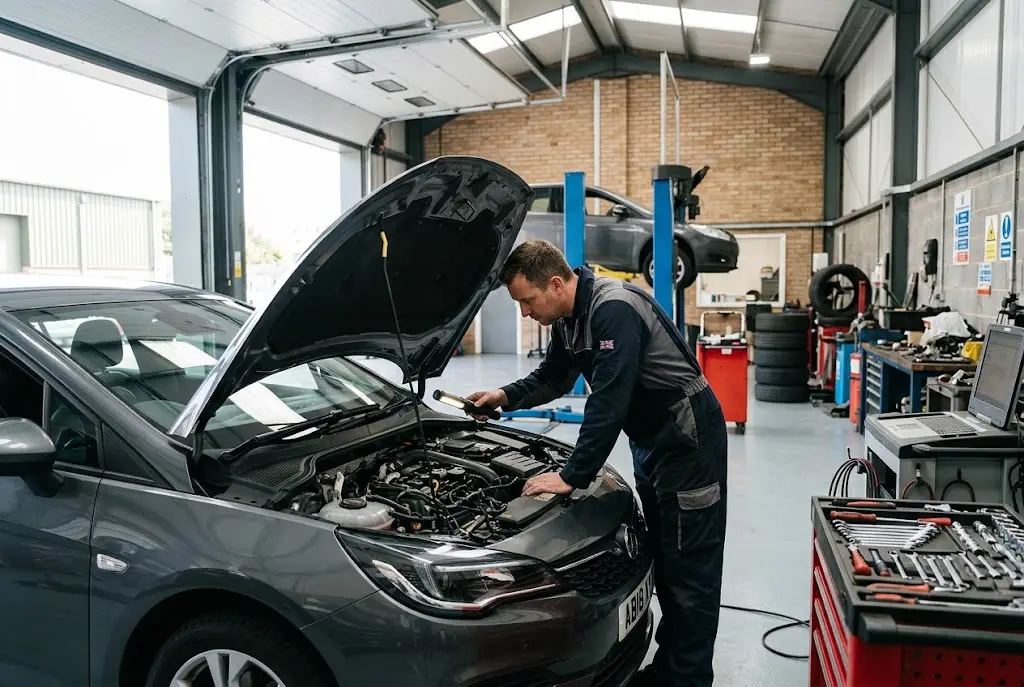
Regular vehicle maintenance is one of the simplest ways to keep a car reliable, safe and suitable for everyday driving. Servicing is not only about responding when something goes wrong. A sensible maintenance routine can help identify worn components early, keep important systems working correctly and reduce the likelihood of unexpected breakdowns.
For UK drivers, maintaining a vehicle also means understanding the difference between routine servicing, MOT testing and repairs. Each has a different purpose. By following the manufacturer’s recommendations, keeping useful records and dealing with warning signs promptly, you can take a more organised approach to vehicle ownership.
What Does Vehicle Maintenance Include?
Vehicle maintenance covers the regular checks, servicing and replacement of components required to keep a vehicle operating properly. The exact requirements vary according to the car, engine, age, mileage, driving conditions and manufacturer’s recommendations.
Routine maintenance can include checking or replacing engine oil and filters, inspecting brakes, checking tyres, examining fluid levels, testing the battery and assessing suspension and steering components. Some vehicles also require scheduled replacement of specific components at particular mileage or time intervals.
Modern cars may additionally require electronic diagnostics and software-related checks. This makes it important to use a garage with appropriate equipment and experience for the vehicle being serviced.
Why a Maintenance Schedule Matters
A maintenance schedule gives vehicle owners a practical framework for keeping up with servicing and inspections. Your vehicle handbook or manufacturer’s service information should be the starting point because maintenance intervals differ between models.
Some servicing requirements are based primarily on mileage, while others are influenced by time. A vehicle that travels relatively few miles can still require time-based maintenance, so simply looking at the odometer is not always enough.
Driving conditions can also affect maintenance needs. Frequent short journeys, heavy traffic, towing and demanding driving conditions may place different stresses on a vehicle compared with regular longer-distance motorway driving.
Vehicle Maintenance and Routine Servicing
Routine servicing is an important part of an effective maintenance plan. During a service, technicians can inspect components and identify potential issues that may otherwise remain unnoticed.
The level of servicing can vary. A scheduled service may involve replacing specified fluids and filters alongside a series of checks, while a more comprehensive service can involve a broader inspection of the vehicle.
Before booking, ask the garage what is included in the service. This avoids confusion about whether particular checks, replacement items or diagnostic work are part of the quoted price.
Should You Consider Maintenance Plans?
For drivers who prefer predictable budgeting, maintenance plans can provide a structured way to manage recurring servicing costs. The precise terms differ between providers, so it is important to check what the plan covers and what remains outside it.
Some plans may focus on scheduled servicing, while others can include additional maintenance items or support. Compare the coverage, payment terms, exclusions and servicing requirements before committing.
A maintenance plan can be particularly useful for drivers who want to spread costs rather than dealing with each service as a separate unexpected expense. However, it should still be assessed against the manufacturer’s recommended maintenance requirements.
Keep an Accurate Service History
Your vehicle’s service history can be useful throughout ownership. Recording dates, mileage, work completed and parts replaced gives you a clearer picture of how the vehicle has been maintained.
Service records can also become valuable when you eventually sell the car. A well-documented history can help a prospective buyer understand the vehicle’s maintenance background and distinguish regular servicing from repairs carried out after faults developed.
Where available, a digital service record can make maintenance information easier to store and access. If your vehicle uses a manufacturer’s digital system, follow the appropriate process for ensuring completed servicing is recorded correctly.
Important Vehicle Checks Between Services
Scheduled servicing does not mean you can ignore the vehicle until the next appointment. Drivers should continue paying attention to basic condition throughout the year.
Useful checks can include:
- Tyre pressure and visible tyre condition
- Engine oil level where applicable
- Coolant and other fluid levels
- Exterior and brake lights
- Windscreen washer fluid
- Windscreen condition and visibility
- Warning lights on the dashboard
- Unusual noises, smells or vibrations
If something appears different from normal, it is better to investigate the cause rather than simply waiting for the next scheduled service.
Vehicle Maintenance and MOT Testing Are Different
One common misunderstanding is treating an MOT as a complete vehicle health check. It is not.
An MOT assesses whether a vehicle meets specific legal standards relating to road safety and environmental requirements at the time of the test. Routine maintenance has a broader purpose: keeping the vehicle in suitable working condition throughout the year.
A car can therefore have a valid MOT while still requiring servicing or mechanical attention. GOV.UK provides official guidance on MOT testing, including what the test covers and how drivers should approach vehicle maintenance and roadworthiness.
Keeping your maintenance routine separate from your MOT schedule can help prevent the assumption that passing the annual test means no further checks are necessary.
When Vehicle Maintenance Should Become a Priority
Certain signs suggest that a vehicle needs professional attention before its next scheduled service. These can include a new dashboard warning light, changes in braking performance, unusual engine noises, steering problems, fluid leaks or significant changes in fuel consumption.
Drivers should also take tyre problems seriously. Low pressure, visible damage or unusual tread wear can affect safety and may indicate an underlying issue.
If you notice a potentially serious problem, avoid continuing to drive simply because the next service is not due yet. A professional assessment can establish whether the vehicle needs immediate attention.
Choosing a Garage for Vehicle Maintenance
The quality of the garage you choose can influence how effectively your maintenance programme is managed. When comparing local providers, consider their experience, equipment, transparency and ability to work on your particular vehicle.
Ask whether the garage follows the manufacturer’s servicing requirements where appropriate and whether you will receive an itemised record of completed work.
It can also be useful to compare garage services before deciding where to arrange your regular maintenance. If the vehicle develops a specific fault, specialist auto repair services may then be more appropriate than routine servicing alone.
Maintenance Packages and Ownership Planning
For people who want a more organised ownership routine, maintenance packages can combine several scheduled services or checks into one arrangement. The usefulness of a package depends on its terms and your vehicle’s actual requirements.
Before choosing one, check whether the package includes the consumables and maintenance items your vehicle is likely to require. Also consider whether you are tied to a particular provider and whether unused services can be transferred if you sell the vehicle.
Ownership planning is easier when you keep track of upcoming service intervals, MOT dates and known maintenance requirements. Digital calendars and servicing reminders can help prevent appointments from being forgotten.
How to Reduce the Risk of Unexpected Repair Bills
No maintenance routine can eliminate unexpected failures. Components can fail without warning, and vehicles naturally experience wear over time. However, preventative maintenance can improve your chances of identifying developing problems before they become more serious.
Following the recommended maintenance schedule, responding to warning signs and keeping accurate records all contribute to better vehicle management.
It is also worth considering the condition and age of your vehicle when planning future costs. An older car may require more frequent attention to certain components, while a newer vehicle may have different servicing and warranty considerations.
Vehicle Maintenance Before Long Journeys
A long journey is a good reason to perform some basic checks even if your next service is not due. Inspect the tyres, check fluid levels, make sure lights are functioning and pay attention to any warning indicators.
If the car has recently developed an unusual noise, vibration or handling problem, have it assessed before travelling a significant distance.
These simple steps do not replace professional servicing, but they can help identify obvious issues before they become inconvenient or potentially unsafe during a journey.
Build a Simple Maintenance Routine
You do not need a complicated system to manage vehicle maintenance effectively. Start by recording the last service date and mileage, then note the next recommended service interval.
Keep invoices and inspection records together, whether digitally or on paper. Set reminders for scheduled servicing and MOT dates, and make a habit of checking basic vehicle condition regularly.
For additional vehicle care, you can also explore auto care services that focus on preventative maintenance and ongoing vehicle condition.
Make Vehicle Maintenance Part of Responsible Ownership
Effective vehicle maintenance is about consistency rather than waiting for something to fail. Following the manufacturer’s maintenance schedule, monitoring the vehicle between services and keeping a reliable service history can make ownership easier to manage.
Maintenance should also be considered alongside MOT testing, inspections and repairs. If you are buying a used vehicle, an independent auto inspection service can help you understand its condition before ownership begins. Once the vehicle is yours, regular maintenance and suitable repair support can help keep it dependable.
Ultimately, the best maintenance approach is one that matches your vehicle’s requirements, your driving habits and your budget. By planning ahead and addressing problems promptly, you can make vehicle care more predictable and reduce the risk of avoidable issues.
For official UK guidance on keeping vehicles safe and roadworthy, consult the relevant GOV.UK MOT and vehicle guidance.
