

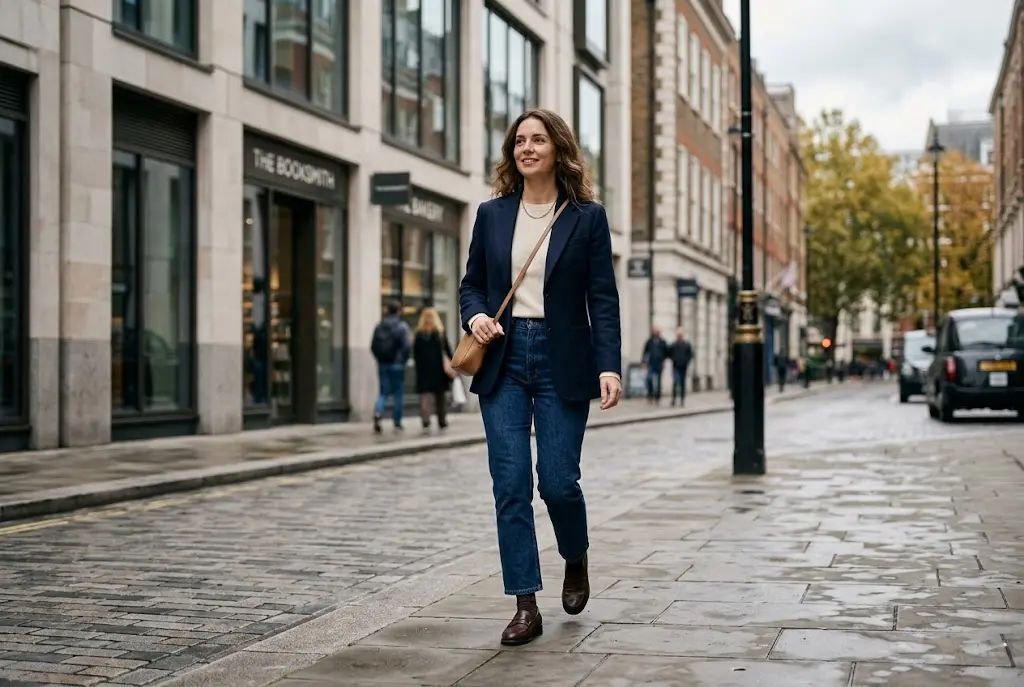
From a casual weekend coffee to a day at the office, dinner with friends or a special event, the key is understanding how to balance comfort, fit, practicality and personal style. In the UK, changeable weather can make that balance even more important, as an outfit may need to work across different temperatures and conditions.
This guide explains how to look stylish and feel comfortable for almost any occasion, with practical tips for choosing clothes, footwear, layers and accessories that work together.
Why Comfort Should Be Part of Personal Style
Style is not simply about following fashion trends. It is also about feeling comfortable and confident in what you wear.
An outfit may look impressive on a hanger but become frustrating if the fabric feels uncomfortable, the shoes are difficult to walk in or the fit restricts your movement. When you are physically comfortable, you are more likely to carry yourself naturally and enjoy the occasion.
Modern styling also makes it easier to combine relaxed pieces with smarter items. Current fashion coverage continues to highlight versatile wardrobe staples, relaxed trousers, practical footwear and layering as useful ways to create polished outfits without making them unnecessarily restrictive. British Vogue’s wardrobe essentials guide also demonstrates how versatile basics can form the foundation of different looks.
Start With the Occasion
The easiest way to create an appropriate outfit is to understand where you are going and what you will be doing.
There is a major difference between dressing for a relaxed lunch, a business meeting and an evening celebration. Instead of asking only whether something looks fashionable, consider whether it suits the setting.
- Casual occasions: Prioritise comfortable fabrics, relaxed silhouettes and practical footwear.
- Work: Choose polished pieces that allow you to move comfortably throughout the day.
- Smart-casual events: Combine relaxed basics with one or two structured pieces.
- Dinners: Add a more refined layer, footwear choice or accessory to elevate your outfit.
- Special occasions: Consider the dress code, venue and expected level of formality before choosing your clothes.
- Outdoor events: Prioritise weather protection and footwear while maintaining a coordinated look.
Build Outfits Around Comfortable Basics
A wardrobe does not need to be filled with statement pieces to create stylish outfits. A small collection of well-fitting basics can provide the foundation for many different looks.
Useful staples can include well-cut trousers, jeans, simple tops, shirts, knitwear, blazers, coats and versatile shoes.
The advantage of basics is that they can be combined in different ways. A simple outfit can look completely different when you change the jacket, footwear, bag, jewellery or other accessories.
This approach can also reduce the pressure to buy something new for every occasion. Building outfits around pieces you already own can make your wardrobe more practical and easier to manage.
Choose the Right Fit
Fit is one of the most important factors when trying to look stylish and remain comfortable.
Clothes that are too tight can restrict movement and become uncomfortable during long days. Oversized clothing can be comfortable but may look unbalanced if every part of the outfit has a loose silhouette.
A useful approach is to create contrast. For example, relaxed trousers can work well with a more structured jacket, while an oversized jumper can be balanced with straighter or slimmer trousers.
The ideal fit will vary according to the garment and your personal preference. The important thing is that the clothing sits naturally on your body without making movement difficult.
Use Layers to Handle UK Weather
Layering is particularly useful in the UK because the weather can change considerably during the day.
Instead of relying on one heavy item, build an outfit using several lighter layers that can be added or removed as temperatures change.
- Start with a comfortable base layer.
- Add a shirt, blouse, jumper or cardigan where appropriate.
- Use a blazer, overshirt or lightweight jacket to add structure.
- Keep a suitable coat available for colder or wetter conditions.
- Use scarves and other accessories when additional warmth is needed.
Layering can also improve an outfit visually. Different textures and lengths create depth without requiring loud patterns or excessive accessories.
Current 2026 fashion coverage continues to emphasise creative layering and making familiar wardrobe pieces work in multiple combinations rather than constantly buying completely new outfits. British Vogue’s 2026 styling guide offers examples of this approach.
Choose Footwear You Can Actually Wear
Footwear can completely change an outfit, but comfort should not be treated as an afterthought.
If you know you will be walking, standing or travelling by public transport, choose shoes that are suitable for the amount of movement involved.
Trainers, loafers, flats, boots and low heels can all be styled in sophisticated ways. You do not necessarily need uncomfortable footwear to make an outfit look polished.
For example, clean trainers can work with tailored trousers and a blazer, while loafers can add structure to an otherwise relaxed outfit. Boots can also provide practicality during colder or wetter months while complementing dresses, skirts, jeans and trousers.
Use One Statement Piece
If an outfit feels too plain, you do not necessarily need to add several eye-catching items. One statement piece can be enough.
This could be:
- A colourful jacket
- A patterned skirt
- A distinctive handbag
- A bold pair of shoes
- A statement necklace
- A textured coat
- A standout scarf
Once you have chosen the statement item, keep the rest of the outfit relatively simple. This gives the main piece space to stand out without making the overall look feel overcrowded.
Dress Comfortably for Work
Workwear does not have to mean uncomfortable clothing. The right combination of smart and relaxed pieces can create a professional appearance while allowing you to get through the day comfortably.
A tailored blazer can be worn with relaxed trousers, a simple top and comfortable shoes. Alternatively, a smart shirt can be combined with well-fitting trousers and a cardigan for a less formal environment.
If your workplace has a formal dress code, follow it first. Within those requirements, choose fabrics, fits and footwear that allow you to move comfortably.
How to Look Stylish for a Smart-Casual Occasion
Smart-casual can be one of the most confusing dress codes because there is no single formula that works for every event.
A useful starting point is to combine one relaxed item with one more polished item.
- Jeans with a tailored blazer
- Tailored trousers with a relaxed knit
- A simple dress with smart boots or loafers
- A shirt with dark denim and polished footwear
- A smart skirt with a simple jumper
The venue should also influence your decision. A smart-casual outfit for a restaurant may be different from one suitable for a daytime family gathering or creative workplace.
Dress for Dinner Without Losing Comfort
Dinner outfits are an opportunity to add a little more polish without becoming overly formal.
A simple dress can be elevated with jewellery, a structured bag and suitable shoes. Alternatively, tailored trousers with a refined top or shirt can create a sophisticated look without requiring restrictive clothing.
If you expect to be sitting for several hours, consider this when choosing your outfit. Clothes that look excellent while standing may not be equally comfortable when worn throughout a long meal.
Choose Fabrics Carefully
The fabric of a garment can make a significant difference to comfort.
Natural fibres and breathable fabrics can be useful when you expect to spend time indoors, while knitwear, wool blends and suitable outerwear can provide warmth during colder periods.
Also consider how easily the material creases and whether it requires special care. A garment that needs constant attention may be less practical for travel, work or long days away from home.
Comfort is not just about softness. Temperature, breathability, flexibility, weight and durability can all affect how comfortable an outfit feels.
Use Accessories to Change the Look
Accessories can make a familiar outfit feel different without requiring a completely new wardrobe.
A belt can add structure to relaxed clothing. A scarf can introduce colour and texture. Jewellery can make a simple outfit feel more polished, while a handbag can change the overall character of a look.
Accessories are particularly useful when you want to transition an outfit from daytime to evening. A simple base outfit can remain the same while you change the shoes, bag, jewellery or outer layer.
Pay Attention to Colour
You do not need to wear bright colours to look stylish. A well-coordinated neutral outfit can be just as effective.
Black, white, navy, grey, beige, brown and cream can form a versatile base. You can then introduce colour through one item or accessory.
Tonal dressing is another easy technique. Wearing different shades from the same colour family creates a coordinated appearance without requiring complicated styling.
If you prefer brighter colours, consider using one strong shade against more understated pieces. This keeps the outfit visually balanced.
Make Your Outfit Work From Day to Night
If you have a busy schedule, choose clothes that can transition between different settings.
For example, tailored trousers, a simple top and comfortable shoes can work during the day. Adding a blazer, changing the footwear or introducing statement jewellery can make the same outfit feel more appropriate for an evening meal.
A versatile wardrobe can save time because you do not need to completely change your outfit whenever your plans change.
Dress for the Season
Spring
Spring is ideal for lighter layers. Try combining shirts, lightweight knitwear, trousers and transitional jackets so that you can adapt when temperatures change.
Summer
Breathable fabrics, lighter colours and comfortable footwear can help during warmer days. However, UK summers can be unpredictable, so keeping a lightweight layer nearby can still be useful.
Autumn
Autumn is well suited to layering. Knitwear, trousers, boots, jackets and scarves can be combined to create outfits that are both practical and stylish.
Winter
Warm outerwear becomes the most important part of the outfit. A good coat, suitable boots and layered knitwear can provide protection from cold weather while still allowing you to maintain your personal style.
Do Not Ignore Grooming
Clothing is only one part of looking polished. Hair, skincare, nails and general grooming can also influence how an outfit comes together.
You do not need an elaborate beauty routine. Simple, consistent grooming can complement even a very relaxed outfit.
For additional inspiration around personal appearance and current beauty ideas, you can explore beauty trends on Pickout.uk and the site’s broader beauty content.
Comfortable Style for Travel and Busy Days
Travel requires a different approach to dressing because you may spend several hours sitting, walking and carrying luggage.
Choose layers that are easy to remove, comfortable trousers or jeans, supportive footwear and a practical outer layer. Avoid wearing something for the first time on an important travel day because you do not yet know how comfortable it will be.
A simple neutral base also makes it easier to coordinate different pieces throughout a trip.
Common Styling Mistakes to Avoid
Following Every Trend
Not every trend will suit your lifestyle or personal taste. Choose trends that can be incorporated naturally into the wardrobe you already own.
Ignoring the Dress Code
Being comfortable does not mean ignoring the expectations of the occasion. Always consider whether the event requires casual, smart-casual, formal or another specific style.
Wearing Uncomfortable Shoes
If you know you will be walking or standing for long periods, do not choose footwear purely because it looks impressive.
Wearing Too Many Statement Pieces
Several bold pieces can compete with one another. Often, one statement item supported by simpler clothing creates a more balanced result.
Choosing Style Over Fit
A fashionable item will rarely look its best if the fit is wrong. Prioritise garments that sit comfortably and suit your proportions.
A Simple Formula for Looking Stylish and Comfortable
If you are unsure what to wear, use this simple formula:
- Start with a comfortable base outfit.
- Make sure the fit allows easy movement.
- Add one structured item such as a blazer, jacket or tailored coat.
- Choose practical footwear for the occasion.
- Add one or two accessories.
- Check the weather and add an appropriate layer.
- Make sure the overall outfit suits the dress code.
This approach gives you enough structure to look polished without making dressing unnecessarily complicated.
Frequently Asked Questions
How can I look stylish without being uncomfortable?
Start with clothes that fit properly and allow you to move comfortably. Build the outfit around simple basics, then add structure through a jacket, accessories or polished footwear.
What should I wear when I do not know the dress code?
A smart-casual outfit is often a useful starting point when the dress code is unclear, but it is better to check with the organiser whenever possible. A blazer, smart trousers, dark jeans or a simple dress can often be adjusted with footwear and accessories.
How can I make a casual outfit look smarter?
Add one structured piece such as a blazer, tailored coat or smart jacket. Changing trainers to loafers, boots or another polished shoe can also make a noticeable difference.
What clothes are best for changeable UK weather?
Layered outfits are generally practical because you can add or remove pieces throughout the day. A lightweight base, knitwear or shirt and suitable outer layer can provide flexibility.
Can comfortable shoes still look stylish?
Absolutely. Trainers, loafers, boots, flats and low heels can all work in stylish outfits. The key is choosing footwear that suits the overall look and the occasion.
How many statement pieces should an outfit have?
There is no fixed rule, but one strong statement piece is an easy way to create a balanced outfit. Keep the remaining pieces relatively simple so the main item remains the focus.
How can I make the most of a small wardrobe?
Choose versatile pieces that can be worn in several combinations. Neutral basics, adaptable layers and accessories can help you create different outfits without owning a large number of clothes.
Final Thoughts
Looking stylish and feeling comfortable do not have to be competing goals. The strongest outfits combine good fit, practical fabrics, suitable footwear and a clear understanding of the occasion.
Instead of chasing every new trend, build outfits around versatile pieces that work with your lifestyle. Use layers to handle the UK’s changing weather, accessories to add personality and one statement item when you want to make a stronger impression.
Most importantly, wear clothes that allow you to feel like yourself. When an outfit fits well, suits the occasion and lets you move comfortably, confidence becomes one of the most effective parts of your personal style.
